Discover The Vibrant World Of Outdoor Flea Markets: The One-Stop Guide
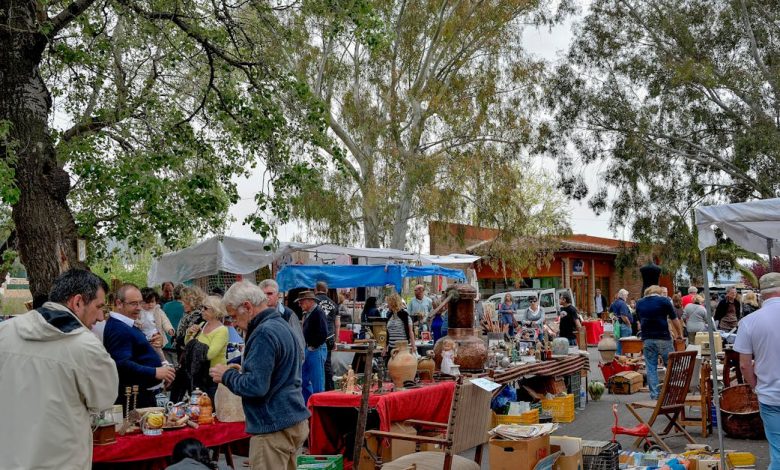
Exploring the Eclectic Atmosphere of Outdoor Flea Markets
The Charm of Open-Air Market Spaces
Outdoor flea markets are more than mere shopping venues; they are vibrant open-air spaces alive with the charisma of community and culture. The charm of these markets lies not only in the myriad goods available but also in the stunning sensory experience they provide. As you wander through rows of booths, the aroma of fresh produce mingles with the scent of local fare being prepared by food vendors, while colors erupt from stalls filled with vintage clothing, antiques, and handmade crafts. Each vendor often takes great pride in their presentation, dedicating time to set up displays that intrigue passersby. Unlike sterile retail environments, the open-air setting fosters a relaxed atmosphere where conversation flows as freely as the items on display.
Visitors are encouraged to explore, touch, and engage, creating an organic environment for connection, discovery, and fun. This charm is particularly pronounced during the early morning hours when the sun rises, casting a warm glow over the market lane, setting the perfect backdrop for a morning of treasure hunting.
How Flea Markets Foster Community Connections
Flea markets act as crucial social hubs within their neighborhoods, often transforming into gathering places that foster community spirit. They provide a space where local businesses and artisans can showcase their creations while also drawing in visitors from various locales, creating an intersection of cultures and ideas. The community spaces serve to strengthen relationships—shoppers and vendors often form bonds that transcend mere transactional interactions.
Regular visitors frequently get to know vendors and other market-goers, leading to familiar greetings and an atmosphere that feels like home. This communal vibe enhances the shopping experience, as patrons come not just for goods, but for the people. Events such as live music performances, art demonstrations, and food tastings further contribute to the festive environment, making flea markets a focal point for cultural expression and social interaction that many locals eagerly anticipate.
The Role of Weather in the Flea Market Experience
The fluctuating nature of weather dramatically influences the ambiance and turnout at an outdoor flea market, contributing to its unique charm. A sunny, picturesque day can turn a market into a bustling paradise, drawing large crowds eager to bask in the sun and enjoy the lively atmosphere. Warm weather often encourages friendly interactions, with customers leisurely strolling and engaging more deeply with vendors. However, the presence of rain or chill can create its own kind of charm—a quieter market allows for more intimate conversations with vendors and insights into the stories behind their goods.
Many dedicated shoppers adapt to the weather, embracing the unexpected with umbrellas or layers, thereby enhancing their adventure. Moreover, savvy flea market enthusiasts learn to read weather patterns, often using historical weather data to predict the best times to visit for a fruitful hunting experience. While the weather is unpredictable, its impact is a timely reminder that the spirit of these markets is resilient, as they open their gates to lovers of antiquity and art, regardless of the conditions.
What You Can Find: Treasures and Trinkets Await
Antique Finds: Unearthing Hidden Historical Gems
Among the myriad offerings at outdoor flea markets, few attractions can compare to the allure of antique finds. These unique items not only serve as decorative pieces, but they also hold rich histories, each telling a story that spans generations. Skilled collectors and casual shoppers flock to flea markets searching for that perfect vintage toy, old-fashioned clothing, or ornate furniture that carries with it the essence of past eras. These antiques often come at a fraction of the cost compared to traditional auction houses or antique shops, providing an accessible way for history enthusiasts to source their collections.
Knowledge plays a key role here; understanding the art of identifying authentic pieces versus reproductions can significantly impact the value of what you choose to purchase. Many vendors are filled with knowledge and passion for the items they sell, eager to share their personal stories, which can add depth to your understanding and appreciation of the antiques found. Thus, flea markets become more than a shopping experience; they are a journey through time.
Handcrafted Goods: Supporting Local Artisans
The presence of handcrafted goods at flea markets adds an extraordinary layer to the shopping experience, promoting the significance of local artisans and their contributions to the community. Many goods at these markets are created by talented individuals who pour their hearts and skills into every item—be it hand-knitted scarves, personalized jewelry, or artisan candles. By supporting these makers, shoppers not only acquire unique products that often carry distinct local flavors but also contribute directly to the local economy.
The sellers, often passionate about their craft, relish the opportunity to share their creative processes with customers, providing insight into the materials used and the inspirations behind their creations. This connection fosters a sense of pride in the items purchased, elevating them from simple commodities to cherished keepsakes. Many shoppers support the philosophy of “buy local” and appreciate the sustainable nature of handcrafted products, making flea markets a natural haven for environmentally conscious consumers who appreciate authenticity over mass-produced goods.
Curated Vintage Collections: A Home Décor Enthusiast’s Dream
Flea markets can be considered treasure troves for home décor aficionados, offering curated vintage collections that can transform living spaces. From retro furniture to vintage textiles, every piece has the potential to tell a story and lend a unique flair to a home. Shoppers can find everything from mid-century modern chairs, elegant glassware, to vintage quilts, making it easy to create a visually striking and eclectic home aesthetic. The distinction of these markets lies in the unexpected nature of the finds. Unlike mainstream stores, where styles can often be repetitive, flea markets provide a myriad of options that encompass multiple eras, styles, and design philosophies, enabling home décor enthusiasts to curate a space that speaks to their personal taste without falling victim to trends.
Moreover, many vendors specialize in particular styles, providing knowledgeable advice on how to incorporate these vintage pieces seamlessly into modern settings. This unique intersection of past and present can lead to well-rounded and distinctive design choices, sparking inspiration and creativity.
Navigating the Art of Bargaining: Tips and Tricks
Understanding the Psychology of Pricing in Flea Markets
Bargaining at flea markets is often an art form itself, deeply rooted in understanding the psychology of pricing. Vendors typically start with higher prices, anticipating negotiations. The initial price can be a starting point for a fruitful dialogue; understanding that this is part of the process can lead to more intentional negotiations. Awareness of what similar objects have sold for—in shops, online, and through auction platforms—gives buyers leverage to open negotiations effectively. However, successful bargaining involves more than just knowing the price; it requires an appreciation for the vendor’s perspective and the recognition of the effort it takes to curate their booths.
By approaching negotiations with respect and friendliness, buyers can foster goodwill that can lead to better deals and may even result in vendor offers for lesser-known items that might not be on display. This reciprocal relationship built on mutual respect is vital in flea market bargaining, highlighting that interactions at these markets extend beyond mere transactions.
Techniques to Negotiate like a Pro
Bargaining effectively at flea markets takes practice, but there are proven techniques that can significantly enhance your chances of landing great deals. One crucial technique is to show genuine interest in the items you wish to buy. Engage with the vendor—ask questions about the item, its history, and how it was acquired. This not only helps you understand the value and story behind the object but also builds rapport with the seller.
Furthermore, start your negotiation with an offer slightly below the initial asking price; this opens the door for back-and-forth dialogue without offending the vendor. Be prepared to justify your offer by citing specific reasons or market comparisons, which shows that you have done your homework and are not merely throwing out random figures. Often, if a vendor senses a serious buyer, they may be more willing to lower their price for a sale. Lastly, don’t be afraid to express enthusiasm for the item. Often, showing that you truly love the piece can sway a vendor’s heart, leading them to offer a better price just to see the joy it brings you.
Know When to Walk Away: The Power of Patience in Bargaining
One of the most powerful tools a shopper can possess when navigating flea markets is the ability to walk away. This technique requires patience and is often a test of self-control. If a vendor is firm on a price that exceeds your budget, displaying your willingness to leave can create a sense of urgency for the seller, prompting them to reconsider their stance. Many seasoned shoppers have recounted times when they simply turned on their heels, only to have the vendor chase them down moments later with a lower offer.
This strategy also protects against impulse buys driven by excitement; by stepping away, you give yourself the chance to think through your purchase and gauge whether it truly aligns with your needs. Remember, every flea market adventure is about the thrill of the hunt; a keen sense of patience not only pads your pocketbook but enhances your overall experience, allowing you to savor each moment spent unwinding amidst the treasures waiting to be found.
Planning Your Flea Market Adventure: Insider Insights
Best Times to Visit for Optimal Finds
The timing of your flea market visit can heavily influence the success of your shopping experience. Early birds often catch the freshest and most desirable items; many vendors limit inventory to what they can carry, meaning that they are keen to sell it quickly, especially as the day progresses. Arriving at opening time allows access to a wider variety of goods, especially popular items that may be claimed by other eager shoppers later in the day.
Additionally, weekdays may provide a different yet fruitful experience when compared to busier weekends, allowing for more meaningful interactions with vendors. Seasonal and holiday markets feature themed merchandise that can be particularly appealing. Researching your chosen market’s peak times and seasonal events will enhance your adventure, making it more likely to unearth those one-of-a-kind finds that make the hunt worthwhile.
Essential Packing Tips for a Successful Day
Before diving into an adventure at a flea market, being adequately prepared enhances the likelihood of a fruitful outing. Comfortable attire is essential; wear durable shoes and layered clothing that can adapt to changing weather conditions. A crossbody bag lets you shop hands-free while ensuring you remain organized. Bringing cash in smaller denominations can ease transactions, as not all vendors may accept cards, especially at smaller or more localized markets.
Pack reusable bags for your finds to prevent strain on your hands and to contribute to sustainable practices. Furthermore, consider bringing snacks and water—an all-day market venture can be more exhausting than anticipated, and hydration and energy are key to keeping your spirits high as you peruse items. Lastly, carry a notebook or an app to track your desired purchases and their prices, aiding in budget control as you navigate your finds.
The Importance of Research: Knowing the Market Before You Go
Knowledge is indeed power when it comes to flea markets, and conducting research before setting out ensures a more rewarding experience. Understanding the types of goods typically available at your chosen market and familiarizing yourself with reputable vendors can save a significant amount of time and frustration. Check online for vendor lists, social media pages, or blogs that provide insights into featured artisans or upcoming special events. Speaking with regular attendees can illuminate the market’s trends and must-see booths.
Moreover, knowing what items you’re particularly interested in—be it certain brands of vintage clothing or specific types of antiques—allows you to focus your hunting and optimize your time effectively. Awareness of average prices for your desired products will also empower you during negotiations, ensuring that you are both informed and confident as you navigate the labyrinthine paths of treasures waiting to be discovered.
FAQ
Question: What types of items can typically be found at outdoor flea markets? – Outdoor flea markets offer a wide range of items including antiques, handcrafted goods, vintage clothing, unique home décor pieces, and local food products, all varying by market locality and theme.
Question: How can I find out about the best flea markets in my area? – Researching online through local blogs, social media, community forums, or even local tourism websites can provide lists and schedules for the best flea markets to visit in your area.
Question: Are flea markets family-friendly? – Yes, many flea markets promote a family-friendly environment, offering activities for children, live entertainment, and food options that cater to all ages, making them suitable for family outings.
Question: What is the average price range for items at flea markets? – Prices at flea markets can vary widely depending on the vendor, type of goods, and rarity of items; however, shoppers can often find budget-friendly options starting from just a few dollars.
Question: Is it possible to find modern or new items at flea markets? – Absolutely! Many vendors sell handmade or commercially produced items that are new, alongside vintage pieces, providing a diverse shopping experience.
Question: Can I expect to find food options at flea markets? – Yes, most outdoor flea markets include food vendors offering an array of delicious local fare, snacks, and beverages, contributing to the overall vibrant atmosphere.
Question: Are pets allowed at flea markets? – Many flea markets are pet-friendly, but it is essential to check the specific market’s rules or regulations regarding pets as they can vary by location.
Question: How do vendors typically set their prices at flea markets? – Vendors often set higher initial prices to allow for negotiation, taking into account the perceived value of their items, local market trends, and the overall competition present at the flea market.