Plasma Donation 101: Understanding The Process And Benefits
Key Takeaways
In Calexico, plasma donation serves a vital role in treating medical conditions such as hemophilia, immunodeficiencies, and burns, ultimately providing crucial resources for patients in need.
A single plasma donation can benefit as many as three patients, emphasizing the need for community involvement to create a robust donor network.
Local hospitals and clinics heavily depend on plasma donations to improve patient care while also reducing emergency room wait times.
First-time plasma donors will find a straightforward process that involves registration, a health screening, the donation itself, and essential post-donation care with refreshments.
Regularly donating plasma may also offer health advantages for donors, such as boosting the immune system, lowering blood pressure, and enhancing circulation.
Additionally, plasma is indispensable for medical research, providing materials that facilitate the development of new therapies and treatments for various health challenges.
Getting involved with ABO Plasma is a fantastic opportunity to make a significant contribution to the community and support local healthcare initiatives through plasma donation.
Why Plasma Donation is Crucial for Your Community
The Life-Saving Impact of Plasma Contributions
Plasma donation in Calexico symbolizes hope. It’s more than a process; it’s a lifeline for numerous individuals facing a variety of medical challenges. Plasma is essential in treating conditions like hemophilia, immunodeficiencies, and burns. Each bag of plasma has the potential to change lives, thus providing a vital resource for those in urgent need.
Experts indicate that one plasma donation can yield enough product to assist up to three different patients. This statistic highlights the necessity of nurturing a strong donor community in Calexico. Beyond the numbers lies the human aspect: every donation becomes part of a story of recovery and hope. Many patients count on plasma-derived therapies for survival against serious medical issues.
Yet, it’s important to understand that plasma donation in Calexico transcends statistics; it cultivates a culture of compassion and community support. Regular donors help ensure that local healthcare centers have adequate resources to deliver life-saving treatments. Each contribution aids families, offering them hope during tough times.
How Plasma Donations Support Local Healthcare Needs
The impact of plasma donations on Calexico’s healthcare landscape is significant. When community members step up to donate, they strengthen the local hospitals and clinics that provide essential services. Many of these facilities are heavily reliant on plasma products. The availability of plasma dramatically improves their capacity to treat patients effectively.
Plasma donations shine particularly bright in several key areas:
- Surgical Recovery: Patients recovering from major surgeries often rely on plasma-derived products for healing.
- Trauma Care: Individuals injured in accidents or natural disasters may require emergency transfusions.
- Chronic Disease Treatment: Those suffering from conditions like lupus or multiple sclerosis benefit immensely from plasma therapies.
As plasma availability improves, local healthcare systems gain strength. This creates a ripple effect: enhanced patient care and shorter emergency room wait times are all results of community-driven plasma donation efforts.
What to Expect During Your First Plasma Donation
Step-by-Step Process of Plasma Donation
Navigating the donation center for the first time can bring questions about what to expect. Familiarity with the plasma donation process is crucial for easing any unease. It’s designed to be straightforward and prioritize donor safety.
- Registration: Donors complete a brief medical questionnaire to verify eligibility.
- Health Screening: A quick physical check-up assesses vital signs and donor suitability.
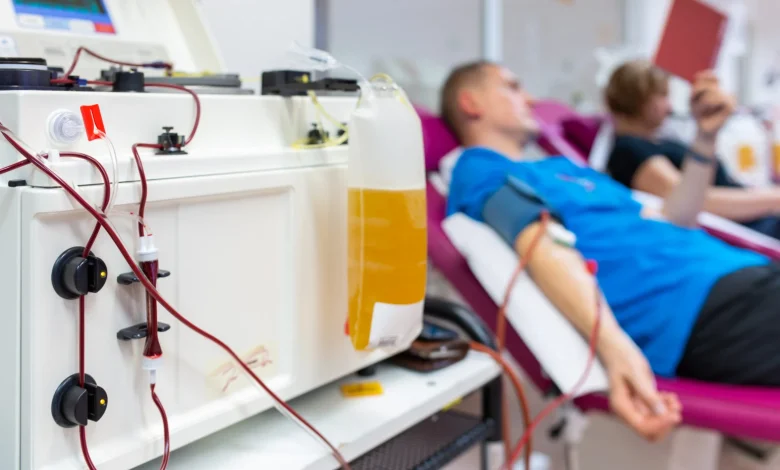
- Donation: The actual plasma donation typically lasts about 45 minutes, during which blood is drawn, plasma is collected, and red cells are returned to the body.
- Post-Donation Care: After donating, individuals are encouraged to relax and enjoy complimentary refreshments.
This structured process is intended to help donors feel comfortable and informed throughout their experience. Many find plasma donation to be less daunting than blood donation, especially since red cells are returned. And, honestly, who wouldn’t appreciate the chance to make a meaningful impact on someone’s life with such a minimal time commitment?
Common Questions Answered for First-Time Donors
Going into the realm of plasma donation can stir up a blend of curiosity and nervousness. A few common questions often help ease this transition:
- Is it painful? Most donors report only minor discomfort, similar to the feeling of donating blood.
- How often can I donate? Typically, individuals can donate plasma every 28 days.
- Will I get compensated? Numerous centers offer small compensation or incentives for your time and contribution.
Understanding what to expect can greatly enhance the donation experience. This educational approach builds confidence, motivating potential donors to take that first step.
Benefits of Donating Plasma: More Than Just a Good Deed
Health Perks for Regular Plasma Donors
Often overlooked, plasma donation offers potential health benefits for the donors themselves. Beyond its altruistic nature, some individuals discover personal health rewards in this practice. Various studies indicate that donating plasma can help:
- Stimulate the Immune System: Regular donors may notice boosts in their immune response.
- Lower Blood Pressure: Some findings suggest that consistent donations can contribute to healthier blood pressure levels.
- Improve Circulation: The donation process encourages a natural shift in blood cells, fostering overall vascular health.
These health perks are intriguing. Many regular donors report feeling more energetic and rejuvenated after their donations. This feeling of improvement can inspire others in the community to join the cause.
How Your Plasma Donation Fuels Medical Research
Plasma also plays a crucial role within the larger scope of medical research. Every donor’s contribution can furnish researchers with invaluable materials necessary for discovering innovative treatments and therapies. This cyclical relationship enhances the medical field, sparking innovations that could ultimately serve the broader society.
“Plasma isn’t just a valuable resource; it’s an essential component in the evolution of modern medicine.” – Medical Researcher
Researchers utilize plasma to develop therapies that address a multitude of medical challenges, encompassing autoimmune diseases and rare genetic disorders. By choosing to donate plasma, individuals significantly advance research that may yield new treatments. Each donation serves as a stepping stone toward future breakthroughs, championing innovative solutions to urgent health issues.
Getting Involved: Becoming a Lifeline in Calexico
Connecting with ABO Plasma: What You Need to Know
ABO Plasma is committed to linking enthusiastic individuals with the chance to make a profound difference. Partnering with a local center ensures that plasma contributions reverberate throughout the community. Enroll with ABO Plasma to engage in this life-saving endeavor and amplify the benefits.
Individuals keen on donating should contemplate the following steps to get started:
- Schedule an Appointment: Check the center’s website or give them a call to find a suitable time.
- Prepare Mentally: Familiarize yourself with requirements and procedures for safe donating.
- Engage with the Community: Attend local events that promote plasma donation to widen the network.
Establishing a connection with ABO Plasma opens doors to become part of a dynamic community devoted to enhancing lives in Calexico. Donors can transform into active participants in a life-saving initiative, forging bonds with fellow community members.
Community Events and Initiatives to Encourage Donations
Community engagement frequently blossoms through organized events aimed at raising awareness about plasma donation. Festivals, health fairs, and educational seminars serve as ideal platforms for informing and inspiring prospective donors. These gatherings allow people to share stories and celebrate the achievements gained through plasma donation.
Some noteworthy community initiatives include:
- Plasma Awareness Drives: Campaigns organized in local schools or public parks to spread critical information.
- Volunteer Programs: Involving volunteers who advocate for plasma donation within their networks.
- Incentive Events: Opportunities for donors to earn small rewards as a token of appreciation for their contributions.
Such initiatives not only enliven community spirit but also underscore the pressing need for plasma donations. Together, they cultivate an environment where contribution is celebrated and health advances are acknowledged. Promoting plasma donation builds connections that become invaluable.
In an ever-changing world, plasma donation remains a steadfast remedy for tackling significant health challenges. Individuals who engage in plasma donation efforts in Calexico become integral parts of a vital movement that saves lives. This collective endeavor fosters resilience within the community and nurtures hope for countless individuals striving for better health. Every drop holds value, and together, they can transform lives.
FAQ
What are the eligibility criteria for donating plasma?
Eligibility for plasma donation usually requires individuals to be at least 18 years old, weigh a minimum of 110 pounds, and pass a health screening. It’s essential that donors are in good health and free from infections or chronic illnesses that might impact the donation process.
Can anyone donate plasma regularly?
Not everyone is eligible for regular plasma donation; individuals with specific medical conditions or those on particular medications may be restricted. Consulting a healthcare professional before committing to regular donations can clarify personal eligibility.
How does plasma donation differ from blood donation?
Plasma donation centers on collecting the liquid component of blood, while blood donation encompasses red blood cells and other elements. Moreover, during plasma donation, red blood cells are typically returned to the donor, allowing for quicker recovery.
What happens to the plasma after donation?
Once collected, plasma undergoes testing and processing before distribution to hospitals and clinics. It can be employed for various treatments, including clotting factors for hemophilia and immunoglobulins for immune deficiencies.
Are there incentives for donating plasma?
Many plasma donation centers provide small compensations or incentives to motivate individuals to donate. These incentives can differ from one center to another, so checking with local facilities about their specific programs is advisable.
How long does the donation process take?
The total plasma donation process usually takes approximately an hour, with the donation duration around 45 minutes. This timeframe encompasses registration, health screenings, the donation itself, and post-donation care.
Can I donate plasma if I’ve traveled recently?
Travel history may influence eligibility, especially if individuals have visited areas with specific health risks. It’s crucial to discuss recent travel with donation center staff during the screening process to assess eligibility following health guidelines.
How can I encourage others to donate plasma?
Sharing personal experiences, taking part in community events, and utilizing social media can effectively promote plasma donation among friends and family. Raising awareness about the critical need for plasma and its life-saving impact boosts community involvement and education.