Essential Insights On Duct Inspection For Optimal HVAC Performance
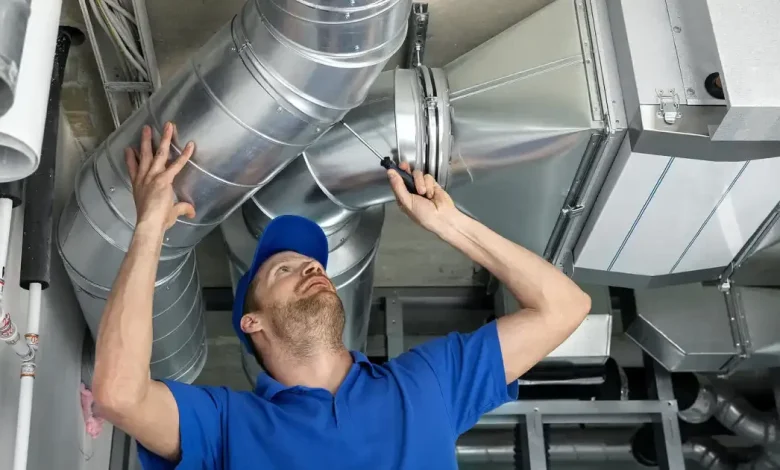
The Importance of Duct Inspection for Your HVAC System
Understanding the Role of Ductwork in HVAC Efficiency
Efficient heating, ventilation, and air conditioning (HVAC) systems are crucial for maintaining a comfortable and healthy indoor environment, particularly in climates with extreme temperatures. Central to the effectiveness of HVAC systems is their ductwork, acting as the arteries through which conditioned air flows throughout your home. Properly designed, installed, and maintained ductwork can dramatically enhance HVAC efficiency, optimizing energy use and improving indoor air quality.
At its core, ductwork channels the air produced by your HVAC system into the various rooms of your home. However, its efficiency is heavily influenced by the condition of the ducts themselves. Over time, dust, debris, and even mold can accumulate within ductwork, increasing resistance to airflow. This reduces the ability of your HVAC system to circulate air effectively, leading to higher energy consumption and uneven heating or cooling throughout the home. Additionally, leaks or improper seals can allow conditioned air to escape before it reaches its intended destination, exacerbating inefficiencies. Therefore, understanding the vital role that ductwork plays can help homeowners recognize the importance of regular inspections to maintain an optimally functioning HVAC system.
Consequences of Neglect: What Happens When You Skip Duct Inspections?
Neglecting duct inspections can lead to a myriad of problems that extend far beyond discomfort in your living space. One of the primary risks associated with uninspected ductwork is the decline in indoor air quality. Accumulated dust, allergens, and possibly harmful microbes can be circulated through the air every time the HVAC system operates, posing significant health risks to occupants—especially those with allergies, asthma, or other respiratory conditions. Furthermore, duct leaks can result in uneven temperatures that make certain spaces unbearable while wasting energy unnecessarily.
Financially, the repercussions can be substantial. A poorly functioning HVAC system often leads to increased utility bills as the system works harder to maintain desired temperatures. In the long term, this strain can cause premature wear and tear on HVAC components, necessitating costly repairs or even a complete system replacement. Additionally, neglecting duct maintenance can reduce the lifespan of your HVAC unit significantly. Therefore, regular inspections not only prevent health hazards and ensure comfort but are also a wise investment in the longevity and efficiency of your HVAC system.
Economic Benefits: How Regular Duct Inspections Save You Money
As energy costs continue to rise, homeowners are increasingly looking for ways to reduce their utility bills without sacrificing comfort. Regular duct inspections stand out as an effective strategy for achieving this. By identifying issues such as leaks, blockages, or improper insulation early, homeowners can address concerns before they escalate into expensive repairs. For instance, fixing duct leaks can lead to notable savings on energy costs; it’s estimated that a well-maintained duct system can improve HVAC efficiency by over 20%, resulting in significant monthly savings.
Moreover, reduced energy consumption also translates to a lower carbon footprint, aligning with the growing trend towards environmentally conscious living. Regular inspections and maintenance can prolong the life of your HVAC system, delaying the need for premature replacement, which can be a significant financial burden. With financial incentives also emerging for energy-efficient updates, investing in duct inspections can qualify homeowners for rebates, further enhancing the economic benefits of maintaining a well-functioning HVAC system.
Signs It’s Time for a Duct Inspection
Unusual Sounds: Decoding Your HVAC System’s Noises
One of the most telling signs that your ductwork might need an inspection lies in the sounds emitted by your HVAC system. Unusual noises such as rattling, popping, or hissing can indicate various underlying problems within the ductwork. Rattling might signify loose ducts or hardware that need tightening, while popping could indicate rapid temperature changes in the ducts themselves. Hissing is often a sign of air leaks, which not only affect efficiency but could also lead to increased utility costs and thermostat inaccuracies.
Additionally, if your system emits loud sounds or experiences an increase in operational noise, it’s time to take notice. Ignoring these signs can escalate problems, leading to more substantial repairs or complete system failures if left unchecked. Therefore, being aware of and responsive to unusual sounds is crucial for maintaining a high-performing HVAC system.
Allergic Reactions: Is Your Home’s Air Quality Suffering?
Allergic reactions within your home can serve as a substantial indicator of duct-related issues. If members of your household are experiencing frequent allergic symptoms such as sneezing, nasal congestion, or itchy eyes, it’s worth considering the state of your ductwork. Dust, pollen, pet dander, and even mold can accumulate within ducts and subsequently be distributed throughout your living space every time the HVAC system runs. Poor indoor air quality is not only an immediate discomfort but can also lead to long-term health problems.
Investing in regular duct inspections can help to identify and mitigate these air quality hazards, ensuring that the air circulating through your home is clean and free from harmful contaminants. For those sensitive to allergens, adopting a proactive approach to maintenance can significantly enhance overall comfort and well-being.
Temperature Discrepancies: Spotting Evidence of Duct Leaks
A significant indicator of potential duct problems can be found in noticeable temperature discrepancies between different areas of your home. If some rooms are consistently warmer or cooler than others, this may suggest that your ductwork is not operating efficiently. Such inconsistencies can arise from leaks, improperly sized ducts, or even insulation problems. First, check for any visible signs of damage or disconnection in your ducts, or feel for air escaping through the walls, ceiling, or floors where ducts are located.
Addressing these temperature imbalances not only enhances comfort across your home but could also save on energy consumption. HVAC systems work hardest to equalize temperature, so ensuring that ductwork operates efficiently can relieve your system of unnecessary strain, prolonging its lifespan and decreasing your monthly energy bills.
The Duct Inspection Process Unveiled
Tools of the Trade: Equipment Used in Duct Inspections
Understanding the duct inspection process is essential for homeowners looking to engage professionals in their HVAC maintenance. The first step involves utilizing specialized equipment designed to assess duct performance thoroughly. One crucial tool is the duct inspection camera, which allows inspectors to visually assess the interior of ducts, identifying clogs or growths that might compromise air quality. Thermographic cameras are also used to measure temperature variations throughout the duct system, providing insight into leaks and inefficiencies.
Other essential tools include pressure gauges, which help measure airflow and identify leaks or blockages. An air quality monitor may also be utilized to assess levels of pollutants and humidity within the ducts. Having such tools ensures a comprehensive inspection, uncovering hidden problems that might otherwise go unnoticed and allowing for targeted solutions to be implemented quickly.
Step-by-Step: What to Expect During a Professional Inspection
When you engage a professional for a duct inspection, you can expect a systematic and thorough process tailored to identify any potential issues. The inspection generally kicks off with an evaluation of your HVAC system and duct design, assessing whether the system meets the needs of your space effectively.
Next, the technician will carry out an extensive examination of the ductwork using the aforementioned tools. This involves both visual inspections and the use of cameras to evaluate hidden areas, as well as airflow testing to determine if the ductwork is functioning properly. Following the evaluation, the technician will provide a detailed report of their findings, including any identified issues along with recommended repairs or maintenance. This process not only highlights existing problems but also educates homeowners on how best to maintain their system moving forward, ensuring long-term HVAC efficiency.
DIY Inspection: Tips for Homeowners to Assess their Ducts
While professional inspections are essential, homeowners can also conduct preliminary assessments of their ductwork to identify potential issues. Start by checking visible ductwork for signs of dust accumulation, mold, or visible damage. Run your hand along the duct seams to feel for airflow leaks; if you detect air escaping, it may indicate a need for sealing. Inspect vents throughout your home—if some are blowing weak or no air, while others are strong, you may be facing blockages or significant leaks.
Additionally, take note of any persistent odors or allergies, as they may indicate issues within your ducts. Regularly changing HVAC filters and keeping the areas around vents clean can also promote better airflow and air quality. While these DIY checks can be helpful in many respects, they should not replace the comprehensive evaluation provided by a professional inspection.
After the Inspection: Maintaining Your Ductwork for Long-Term Performance
Cleaning vs. Replacing: When to Take Action After Inspection Results
Once your duct inspection has been completed and any issues identified, homeowners must decide between cleaning or replacing ductwork. In many cases, thorough cleaning may effectively resolve issues related to dust, debris, and mold accumulation, ensuring that the HVAC system operates efficiently. However, if the inspection reveals severe damage or deterioration, replacement may be the more viable option.
The typical life span of ductwork varies based on materials; for instance, flexible ducts can last about 10-15 years, while metal ducts can endure for over 25 years with proper maintenance. Engaging professionals for cleaning or replacement services is crucial, as attempting to tackle these tasks without experience can lead to further complications. A qualified technician can assess whether cleaning will suffice or if it’s time to invest in new ductwork, ultimately ensuring your HVAC system remains efficient and effective for the long term.
Regular Maintenance Routines: Keeping Ducts in Peak Condition
To ensure long-term performance of your ducts, regular maintenance should be part of your home care routine. This includes scheduling professional inspections once every 3 to 5 years but also incorporating basic upkeep into your routine. Regularly changing or cleaning HVAC filters is an excellent practice, as clogged or dirty filters can significantly reduce airflow and efficiency.
Another vital aspect is ensuring that your ducts remain insulated and sealed correctly. Insulation helps to maintain conditioned air temperatures, and sealing joins and seams can prevent leaks. Additionally, consider implementing a regular cleaning schedule for the entire HVAC system, including the compressor and evaporator coils. Adopting these maintenance strategies will not only keep the ductwork in peak condition but also enhance the overall lifespan and efficacy of your HVAC system.
Harnessing Technology: How Smart Home Solutions Can Aid Maintenance
In an increasingly interconnected world, homeowners are turning to technology to enhance their HVAC maintenance processes. Smart home solutions can significantly aid in monitoring your HVAC system, providing real-time data about air quality and system performance. Smart thermostats can analyze heating and cooling cycles, identifying patterns that could indicate underlying duct problems. Furthermore, they can alert homeowners to potential issues, providing a proactive approach to maintenance.
Air quality monitors paired with home automation systems also allow for constant assessment of pollution levels within your home, enabling you to make timely decisions to address potential duct-related issues. Overall, investing in smart technology not only enhances comfort and convenience but also contributes to the long-term efficiency and health of your home’s HVAC system.
FAQ
Question: How often should I schedule duct inspections? – It is recommended to schedule professional duct inspections every 3 to 5 years to maintain optimal HVAC performance.
Question: Can I clean my ducts myself? – While homeowners can perform basic cleaning and maintenance, comprehensive duct cleaning should be done by professionals to ensure effectiveness and avoid damage.
Question: What are the signs that my ducts need cleaning? – Signs that your ducts may need cleaning include visible dust accumulation, mold growth, unpleasant odors, or increased allergy symptoms among household members.
Question: What materials are commonly used for ductwork? – Common materials for ductwork include galvanized steel, aluminum, fiberboard, and flexible plastic, each with its durability and insulation properties.
Question: How can I improve indoor air quality apart from duct inspections? – To improve indoor air quality, consider using air purifiers, regularly changing HVAC filters, and maintaining proper humidity levels in your home.
Question: What is the impact of sealing ducts? – Sealing ducts can significantly reduce air leaks, leading to improved system efficiency, lower energy costs, and enhanced overall comfort in your home.
Question: Are smart thermostats worth the investment? – Yes, smart thermostats can provide valuable insights into HVAC system performance, optimize energy usage, and alert homeowners to potential duct-related issues.
Question: What is the lifespan of different duct materials? – Flexible ducts typically last about 10-15 years, while metal ducts can last 25 years or more with proper maintenance, making material choice important for longevity.
Useful Resources
- S. Department of Energy
- Environmental Protection Agency (EPA)
- American Society of Heating, Refrigerating and Air-Conditioning Engineers (ASHRAE)
- International Association of Certified Home Inspectors (InterNACHI)
- HVAC Explained
- NAIOP – Commercial Real Estate Development Association
- Air-Conditioning, Heating, and Refrigeration Institute (AHRI)
- Centers for Disease Control and Prevention (CDC)