Revitalize Your Engine: The Essential Benefits Of Carburetor Cleaner
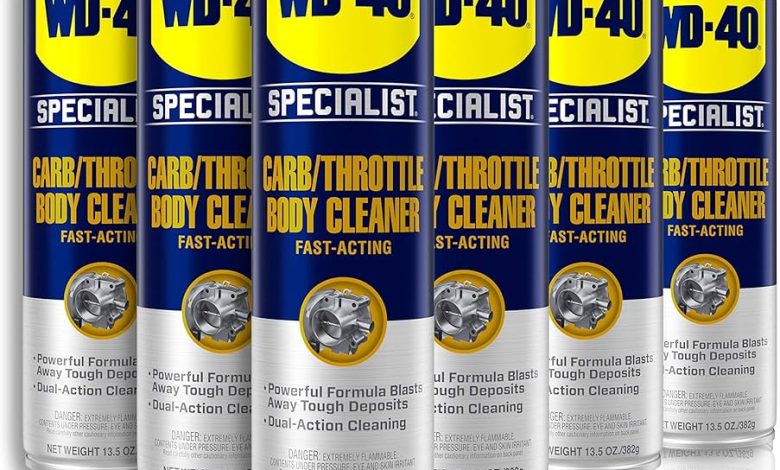
Understanding the Basics: What is Carburetor Cleaner?
Carburetor cleaner is a specialized solvent designed to dissolve and remove deposits such as carbon buildup, varnish, and sludge that accumulate in various components of the carburetor. Often made from volatile organic compounds, these cleaners are engineered to provide effective cleaning capabilities without damaging sensitive engine parts. Their primary role is to ensure optimal airflow and fuel delivery within the combustion process, which is vital for maintaining engine performance.
The Chemistry Behind Carburetor Cleaners
The effectiveness of carburetor cleaners lies in their chemical composition. Primarily a combination of hydrocarbon solvents, they may also contain additives to enhance their cleaning power and reduce residue. Common chemicals found in carburetor cleaners include acetone, toluene, and isopropyl alcohol. Each component plays a crucial role: acetone helps to break down oil and grime, while toluene acts to dissolve stubborn deposits due to its strong solvency. Understanding the chemistry can help engine owners choose the right product, as the effectiveness of a cleaner can be influenced by its formulation.
Types of Carburetor Cleaners: Which One is Right for You?
Not all carburetor cleaners are created equal, and choosing the right type can make a significant difference in the cleaning process. There are three primary forms: aerosol sprays, liquid solutions, and foams. Aerosol sprays are ideal for a quick and easy cleanup and can be directly sprayed into the carburetor while it’s running, effectively dissolving gunk in real-time. Liquid solutions are typically used for soaking components that have been removed from the engine; they’re suitable for thorough cleaning but require more time and effort. On the other hand, foams offer a thick formulation that clings to surfaces, allowing for a targeted application that can penetrate stubborn carbon deposits. An informed choice will depend on your specific needs, the type of deposits you are dealing with, and your level of comfort with DIY maintenance.
The Transformative Power of Carburetor Cleaner: Benefits You Never Knew
Using carburetor cleaner is not merely a routine maintenance task; it’s a transformative action that can breathe life back into your engine. Not only can it enhance performance, but it also plays a vital role in improving the ecological footprint of your vehicle. The benefits of using carburetor cleaner extend beyond just a cleaner engine; they encompass efficiency, cost savings, and environmental responsibility.
Reviving Performance: A Hidden Key to Engine Efficiency
A dirty carburetor can severely affect engine performance, leading to reduced power, poor fuel economy, and increased wear on engine components. The buildup of gunk and deposits can obstruct the delicate pathways of air and fuel, disrupting the finely-tuned balance necessary for optimal combustion. By utilizing a carburetor cleaner regularly, drivers can restore this balance, resulting in smoother acceleration, improved throttle response, and enhanced overall engine performance. For instance, many car enthusiasts report a significant uptick in the engine’s horsepower post-cleaning, owing largely to the better airflow and fuel atomization achieved with a clean carburetor.
Cutting Emissions: The Environmental Impact of a Clean Carburetor
In an age where environmental sustainability is at the forefront of global discussions, maintaining a clean carburetor can contribute to lower emissions. An efficient carburetor ensures that the optimal mixture of air-to-fuel is achieved, leading to more complete combustion and thus minimization of unburned hydrocarbons released into the atmosphere. This is particularly critical for older vehicles that are often larger contributors to air pollution. Using carburetor cleaner not only boosts the performance of the engine but actively contributes to reducing its environmental footprint, aligning well with the increasing demands for greener practices in motoring.
Application Techniques: Mastering the Art of Carburetor Cleaning
Mastering the application of carburetor cleaner is essential for realizing the full spectrum of its benefits. Whether you are a hands-on type of individual or someone who prefers to leave it to the professionals, knowing the methods will empower you with confidence and skills. Understanding when to clean, how to clean, and the techniques for application can mean the difference between a successful job and one fraught with complications.
DIY vs. Professional: When to Roll Up Your Sleeves
Choosing between a DIY approach and hiring a professional often hinges on the individual’s comfort level with mechanical work, but it’s crucial to recognize when each method may be appropriate. DIY cleaning can be empowering and budget-friendly for minor issues or routine maintenance. If you’re facing more significant problems – such as difficulty starting the engine, excessive idling, or poor fuel efficiency – enlisting a professional might be prudent. Professionals have access to specialized tools and in-depth knowledge of engine systems, enabling them to diagnose and address deeper issues that a simple cleaning might miss. It’s also wise to consider the make and model of your vehicle; specific engines may require more delicacy, making professional intervention a safer choice.
Step-by-Step Guide: Cleaning Your Carburetor Like a Pro
- Preparation: Start by gathering all necessary materials, including safety gear, carburetor cleaner, a wrench set, and shop towels. Ensure your work area is well-ventilated and that the engine is cool before beginning. It’s also essential to disconnect the battery to avoid any electrical mishaps.
- Remove the Carburetor: Carefully detach the carburetor from the engine. Take note of how components are connected, and keep a container to place bolts and parts as you disassemble.
- Apply the Cleaner: Follow the instructions on your carburetor cleaner. If using an aerosol spray, apply it directly into the carburetor throttle body, allowing it to penetrate the deposits. For soaking methods, submerge the disassembled parts into the cleaning solution for the recommended time.
- Scrub and Clean: Use a soft brush to scrub the parts gently after the cleaner has had time to work. Pay special attention to the jets and any small orifices where fuel is delivered. A clean cloth should also be used to wipe down surfaces.
- Rinse and Dry: If the cleaner requires rinsing, ensure all components are thoroughly rinsed to remove any cleaning residue. Allow parts to dry completely before reassembly.
- Reassemble and Test: Piece everything back together, securing all bolts and connections. Reattach the carburetor to the engine, reconnect the battery, and perform a test to ensure everything functions smoothly.
This step-by-step guide not only simplifies the cleaning process but also ensures you’re equipped to handle your engine’s vital components with confidence.
Maintaining Your Engine: Prevention is Better than Cure
Regular maintenance is crucial for ensuring long-term engine health, and integrating carburetor cleaning into your routine is one of the most effective strategies to prevent problems before they escalate. A well-maintained engine not only operates more effectively but is also less prone to requiring expensive repairs down the line.
Establishing a Regular Cleaning Schedule: How Often Should You Clean?
Determining how often to clean your carburetor will depend on various factors, including the age of your vehicle, driving conditions, and how frequently you use it. General recommendations suggest cleaning every 10,000 miles or at least once a year, particularly for vehicles that operate under heavy loads, such as trucks or those that endure a lot of stop-and-go traffic. Additionally, if your engine shows signs of stalling, rough idling, or decreased performance, it may be prudent to clean the carburetor sooner. In essence, developing a proactive maintenance schedule can save you money on future repairs and prolong the life of your engine.
Other Engine Maintenance Tips You Can’t Ignore
Beyond regular cleaning, an array of engine maintenance practices can enhance performance and efficiency. This includes periodic oil changes, ensuring that air filters are clean, and replacing fuel filters every 20,000 miles to ensure that the fuel supply remains unobstructed. It also involves monitoring the spark plugs for wear and replacing them as needed to guarantee effective combustion. Furthermore, keeping an eye on engine coolant levels and ensuring no leaks are present can prevent overheating and other significant damage. Developing an all-encompassing maintenance routine will place you in the best position to keep your engine running at peak performance.
FAQ
Question: How can I tell if my carburetor needs cleaning?
- A clean carburetor is essential for optimal engine performance. Signs that it may require cleaning include rough idling, difficulty starting the engine, poor fuel efficiency, or a decrease in horsepower.
Question: Are there any safety precautions to take when using carburetor cleaner?
- Yes, when using a carburetor cleaner, it is crucial to work in a well-ventilated area, wear protective gloves and goggles, and disconnect the battery to prevent any electrical issues during the cleaning process.
Question: Can carburetor cleaner damage engine components?
- Most carburetor cleaners are designed to be safe for engine parts; however, it is essential to follow the manufacturer’s instructions and avoid prolonged exposure to sensitive components to prevent potential damage.
Question: How long does the cleaning process usually take?
- The cleaning process can vary depending on the method used. A simple aerosol spray application may take only a few minutes, while soaking disassembled parts in a liquid cleaner may require several hours.
Question: Is it necessary to remove the carburetor for cleaning?
- While you can use aerosol cleaners on a running engine without removal, for thorough cleaning, it is usually recommended to remove the carburetor to access all internal parts and ensure a complete clean.
Question: What should I do if my engine doesn’t improve after cleaning the carburetor?
- If cleaning the carburetor does not resolve performance issues, it may indicate deeper mechanical problems requiring professional diagnosis or additional maintenance tasks such as checking fuel injectors or ignition components.
Question: Are there any alternatives to carburetor cleaner?
- Yes, some alternatives include using fuel additives designed to clean fuel systems or homemade solutions like vinegar or baking soda; however, they may not be as effective as dedicated carburetor cleaners.
Question: How do I choose the right type of carburetor cleaner for my needs?
- Choosing the right carburetor cleaner depends on your specific cleaning needs. For quick maintenance, aerosol sprays may suffice, but if you need a deep clean, liquid solutions or foams that cling to surfaces may be more suitable.
Useful Resources
- ASE – National Institute for Automotive Service Excellence
- AutoZone – Auto Parts and Repair Tips
- Mobil – Fuel and Engine Care Resources
- Hagerty – Classic Car and Maintenance Advice
- com – Vehicle Maintenance Guides
- Carburetor Clinic – Carburetor Maintenance Tips
- Edmunds – Automotive Research and Maintenance
- YouTube – DIY Car Maintenance Videos