Unlock Peak Health: The Ancient Supplement That Gives Your Body The Concentrated Nutrients It Deserves
Key Takeaways
Fermented cod liver oil acts as a powerful supplement, capable of significantly enhancing your energy levels and overall health. It delivers concentrated nutrients that far surpass those found in regular fish oil capsules.
Key nutrients in cod liver oil include Vitamin A, which plays a role in supporting immune function and eye health, as well as Vitamin D, crucial for calcium absorption and maintaining bone strength.
Many users report noticeable advantages from taking cod liver oil, including improved joint mobility, better skin health, and increased mood stability.
When you’re on the hunt for cod liver oil, go for MSC-certified products. This ensures sustainable sourcing and quality, steering you clear of non-certified oils that might not meet these standards.
You can find cod liver oil in both liquid and capsule forms. Now, while liquids typically absorb faster, capsules spare you the fishy taste and offer easy convenience.
The omega-3 fatty acids found in cod liver oil are essential for cognitive function and reducing inflammation, which are key to better mental health.
There are myths floating around about cod liver oil, like the idea that it can cure joint pain. Sure, it may help with inflammation, but it’s no substitute for proper medical treatment.
Why Fermented Cod Liver Oil is a Hidden Gem for Health
A lot of folks overlook fermented cod liver oil, thinking it’s just another supplement. But let me tell you—this stuff is a genuine health miracle in a bottle. I stumbled upon it ages ago, desperately looking for a solution to my constant fatigue. It was a game changer.
So, what exactly makes these capsules so special? Let’s dive into it.
The Nutrient Powerhouse: What’s in Those Capsules?
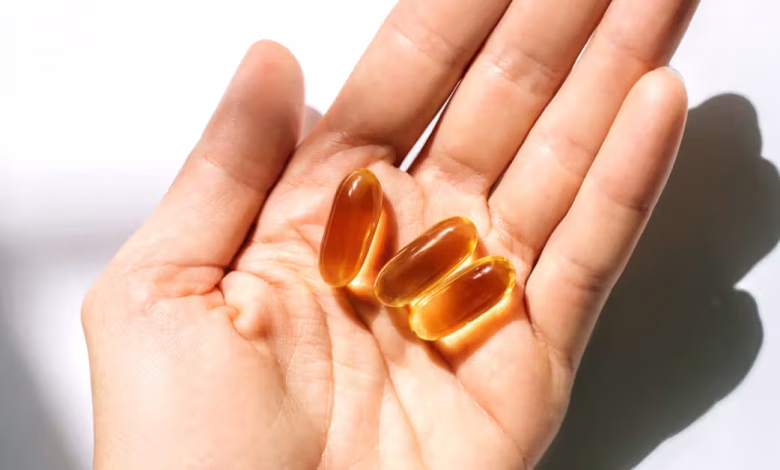
Picture a potent blend of nutrients all packed into a single tiny capsule. Cod liver oil is bursting with an impressive list of vitamins and omega fatty acids. Here’s a quick overview of what you can expect:
- Vitamin A: Essential for immune function and supporting eye health.
- Vitamin D: Crucial for calcium absorption, helping to maintain strong bones.
- Omega-3 Fatty Acids: Famous for their anti-inflammatory properties and benefits for brain health.
Once I started taking cod liver oil, I had no idea how much my energy levels would skyrocket. It’s honestly like flipping a switch!
Sure, there are a few downsides, but for me, the benefits outweigh them big time. And honestly, you won’t find this concentration of nutrients in your run-of-the-mill fish oil capsules.
Real-Life Stories: How Cod Liver Oil Changed Lives
Over the years, I’ve heard so many inspiring stories from friends and family about how cod liver oil has made a difference in their lives. For instance, a close friend struggled with seasonal allergies for years. Every spring was a challenge. After starting these capsules, she told me she felt more alive than ever.
You might be thinking—can a supplement actually change your life? But the difference can be astonishing. Others I’ve talked to have pointed out improvements in:
- Joint mobility
- Skin health
- Mood stability
Cod liver oil isn’t just another supplement; it’s a return to what nature intended—real foods for real health outcomes.
Honestly, how many other supplements can boast such a rich history?
Choosing the Right Cod Liver Oil: My Top Tips
If you’re venturing into the world of cod liver oil, the choices can be overwhelming. Let’s simplify things. You want quality, and with a few key tips, you can find just that.
MSC Certification: Why Quality Really Matters
Don’t underestimate the importance of certification. When I learned about MSC (Marine Stewardship Council) certification, it was like a light bulb went off. This mark of approval means the oil is sourced sustainably, ensuring both quality and environmental responsibility. Don’t overlook this step.
Here’s what to keep an eye out for:
- Look for the MSC logo on the packaging.
- Investigate the sourcing practices of the brand.
- Ensure the product has been tested for contaminants.
If it’s not MSC-certified, chances are it’s not the best cod liver oil capsules around. Trust me, I’ve learned that the hard way. Never again!
Capsules vs. Liquid: Which Form Should You Take?
Whenever I chat about cod liver oil, the debate between capsules and liquid always comes up. Sure, liquid forms provide an authentic experience, but let’s be honest—have you tasted it? For some, the flavor can be downright tough to swallow. I’ve been through it, and I’ll choose capsules every time.
Here are the advantages of each:
- Liquid: Generally more potent and absorbed faster.
- Capsules: No fishy taste and super convenient.
In the end, it’s all about what works for you. Just make sure your choice fits your lifestyle.
The Science Behind Cod Liver Oil: My Surprising Discoveries
Let’s talk a bit about science. When I decided to dive deep, I unearthed some fascinating information about cod liver oil. It’s not merely about feeling good; there’s actual data that supports these claims.
The Incredible Benefits of Omega Fatty Acids Explained
Omega-3 fatty acids aren’t just a fad—they’re vital for overall health. What really drew me in is how they affect everything from heart health to depression. Amazing, right? They even impact brain function!
Here are some key advantages:
- Enhances cognitive function
- Reduces inflammation
- Supports mental well-being
Whenever I hear someone brush off omega fatty acids, I feel the urge to challenge them. I’ve experienced the change firsthand. You don’t need to take my word for it; just look it up!
Understanding the Role of Vitamins A and D in Your Diet
Now here’s an interesting twist: vitamins A and D actually work together. That’s right. While Vitamin A is known for its role in vision and immune health, vitamin D’s collaboration with calcium and phosphorus often doesn’t get the credit it deserves. Without vitamin D, you could be leaving your bones in a tight spot.
It’s intriguing how cod liver oil provides a natural source of these vitamins. Cue the applause! Here’s why that’s significant:
- Supports immune health
- Promotes strong bones
- Boosts skin radiance
Once I increased my vitamin intake with cod liver oil, I really felt a difference. I recovered from colds more swiftly, and my skin glowed more. It’s a solid win.
Common Myths About Cod Liver Oil: What You Need to Stop Believing
Even with all its benefits, a lot of myths can get in the way of clear thinking. Let’s clarify a few common misconceptions about cod liver oil.
Does it Really Help with Joint Pain? Let’s Set the Record Straight
One persistent myth I keep hearing is that cod liver oil can magically fix all joint issues. While it might help reduce inflammation, it’s not a miracle cure. It shouldn’t replace professional treatment for serious conditions. That said, I’ve noticed I feel less stiff after regular use.
Many people rave about its anti-inflammatory properties, but remember to manage your expectations. This isn’t aspirin; it’s a supplement that offers benefits, not a cure-all.
The Truth About Fishy Aftertaste: Can You Avoid It?
Ah, the notorious fishy aftertaste. I feel you—it can be enough to make anyone cringe. But not all cod liver oils are made the same. High-quality brands often have processes that help reduce this issue.
Here’s how you can dodge that aftertaste:
- Choose high-quality capsules.
- If you’re going liquid, try flavored options.
- Chase it down with a strong mint or a citrus slice.
When I switched to capsules, I never looked back. What a relief that was!
To wrap things up—cod liver oil, especially in its fermented form, can truly transform your health. Take it from someone who’s experienced this journey. Don’t settle for average; go for the best cod liver oil capsules you can find. Your body will definitely thank you for it.
FAQ
How often should I take cod liver oil capsules?
It really boils down to your health goals. Personally, I find that a daily dose does wonders for most people. Many experts suggest around 1-2 capsules daily, but always check the label and chat with your doctor to customize it for your needs.
Can cod liver oil cause side effects?
Yes, it can have side effects. Some people might experience digestive issues or skin reactions, especially if they start with too high a dose. It’s wise to start low and see how your body handles it.
Is there a specific time of day when I should take it?
Honestly, it’s really up to you. I usually take mine in the morning with breakfast—it just fits nicely into my routine. Just be consistent; that’s what really matters.
Can I take cod liver oil if I’m pregnant or breastfeeding?
That’s a nuanced question. While some of the nutrients in cod liver oil are beneficial, it’s super important to talk to your healthcare provider first. They can help you weigh the potential perks against any risks to keep you and your baby healthy.
What are some alternatives to cod liver oil?
If cod liver oil isn’t your thing, you could try krill oil or standard fish oils. They offer similar omega-3 benefits, but might not deliver the vitamin A and D boost that fermented cod liver oil does. It all comes down to aligning with your health goals.
Can I take cod liver oil with other supplements?
What’s the best way to store cod liver oil capsules?
Storage is crucial. I like to keep mine in a cool, dark place—like the fridge. Heat and light can break down the oil over time. You definitely want to preserve those benefits. Don’t let your investment go to waste!
Are there age restrictions for taking cod liver oil?
Not really, but kids and seniors may need dosage adjustments. Children can benefit from lower doses of cod liver oil, while seniors should be cautious due to existing health conditions. So, consider age and health status before starting any routine.
Useful Resources
- WebMD: Great health information and articles on supplements and nutrition.
- American Society for Nutrition: A leading group dedicated to advancing nutrition science.
- Office of Dietary Supplements – NIH: Trustworthy info on dietary supplements and their effects.
- Mayo Clinic: Reliable health information, including details on vitamins and supplements.
- Healthline: Educational articles about health, wellness, and nutrition, including omega-3 fatty acids.
- Choose My Plate: Nutritional guidance from the USDA.
- S. Food and Drug Administration (FDA): Guidelines on food labeling, including supplements.
- Centers for Disease Control and Prevention (CDC): Insights about nutrition and its health impacts.
- SpringerLink: Access to a large collection of scientific articles and journals on health and nutrition research.
- ScienceDirect: A premier full-text scientific database with articles on nutrition and supplement efficacy.