Mastering the Art and Science of Food: Nutrition, Innovation, and Global Trends
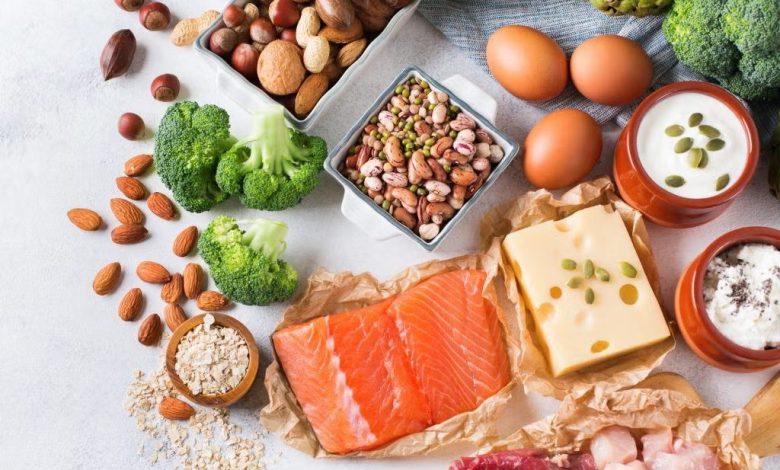
Food is more than a necessity; it is a reflection of culture, science, and innovation. From the farm to the table, understanding Food requires exploring its nutritional value, production methods, technological advancements, and impact on human health. Modern food systems have evolved to meet the demands of a growing global population while addressing sustainability, safety, and culinary innovation.
In this article, we delve into the multidimensional world of Food, exploring scientific insights, global trends, and actionable knowledge for individuals, professionals, and policymakers.
The Science of Food: Nutrition and Health
The foundation of understanding Food lies in nutrition science. The nutrients in our food influence energy levels, immunity, cognitive function, and long-term health outcomes.
Macronutrients: The Building Blocks of Energy
Macronutrients provide the energy and materials needed for body function. They include:
- Carbohydrates: The primary source of energy, found in grains, fruits, and legumes. Complex carbohydrates such as whole grains provide sustained energy and are rich in fiber.
- Proteins: Essential for muscle repair, enzymatic functions, and hormone production. Sources include meat, dairy, legumes, and plant-based proteins like tofu and tempeh.
- Fats: Crucial for cell membrane integrity, brain function, and hormone synthesis. Healthy fats include omega-3 fatty acids from fish, flaxseed, and walnuts, while saturated and trans fats should be limited.
Micronutrients: Essential Vitamins and Minerals
Micronutrients, though required in smaller quantities, play vital roles in physiological processes:
- Vitamins: For example, vitamin D supports bone health, vitamin C aids immunity, and B-vitamins regulate energy metabolism.
- Minerals: Calcium, magnesium, potassium, and iron are essential for muscular function, cardiovascular health, and oxygen transport.
Deficiencies or imbalances in micronutrients can lead to chronic conditions such as anemia, osteoporosis, or cognitive decline. Therefore, a diet rich in diverse nutrient sources is fundamental.
Functional Foods and Bioactive Compounds
Modern nutrition science emphasizes functional foods, which offer health benefits beyond basic nutrition. Examples include:
- Probiotics and prebiotics: Found in yogurt, kefir, and fermented vegetables, supporting gut microbiome health.
- Polyphenols: Present in berries, tea, and dark chocolate, these compounds have antioxidant properties that reduce inflammation and oxidative stress.
- Phytochemicals: Plant-based compounds that may reduce cancer risk and support cardiovascular health.
Incorporating these functional foods into daily diets can improve long-term health and prevent chronic diseases.
Food Production and Sustainability
The methods by which food is produced have a profound impact on the environment, economy, and society. Sustainable food production is central to feeding the growing global population responsibly.
Modern Agricultural Practices
Technological advancements in agriculture have increased efficiency while reducing environmental impact:
- Precision agriculture: Uses GPS, sensors, and AI to optimize planting, irrigation, and fertilization, minimizing waste.
- Vertical farming: Growing crops in stacked layers indoors, reducing land use and water consumption.
- Hydroponics and aquaponics: Soil-free cultivation methods that enhance yield and nutrient density while conserving resources.
Sustainable Livestock and Fisheries
Animal-based food production must balance nutritional benefits with ecological responsibility:
- Pasture-raised and free-range livestock: Improves animal welfare and reduces dependency on antibiotics.
- Aquaculture innovations: Sustainable fish farming practices reduce pressure on wild populations while ensuring nutrient-rich seafood supply.
Reducing Food Waste
Global food waste is a critical issue, with nearly one-third of all food produced lost or wasted annually. Strategies to reduce waste include:
- Smart inventory and storage solutions for households and businesses.
- Redistribution programs for surplus food.
- Consumer education on portion control and preservation methods.
Culinary Innovation and Food Technology
The modern food landscape is shaped by science, creativity, and technology, blending flavor, nutrition, and convenience.
Plant-Based and Alternative Proteins
The shift toward plant-based diets is driven by health, environmental, and ethical considerations:
- Legume-based proteins: Lentils, chickpeas, and beans provide high protein and fiber.
- Cultured meat: Lab-grown meat mimics traditional meat while reducing environmental impact.
- Insect proteins: Sustainable and nutrient-rich, increasingly used in protein powders and snacks.
Food Preservation and Safety
Advances in food technology ensure safety, quality, and shelf-life:
- High-pressure processing (HPP): Kills bacteria without compromising nutrients or flavor.
- Modified atmosphere packaging (MAP): Extends freshness by controlling oxygen and carbon dioxide levels.
- Blockchain in food supply chains: Enhances traceability and reduces contamination risks.
Molecular Gastronomy
Chefs and scientists collaborate to transform culinary experiences through molecular gastronomy. Techniques like spherification, sous-vide cooking, and emulsification combine artistry with scientific precision, offering unique textures and flavors.
Global Food Trends and Consumer Behavior
Understanding consumer preferences and global trends informs both policy and business strategies in the Food industry.
Health-Driven Consumption
Consumers increasingly prioritize nutrition, wellness, and clean-label foods. Key trends include:
- Functional beverages: Infused with vitamins, antioxidants, and probiotics.
- Reduced sugar and fortified foods: Meeting demands for healthier alternatives.
- Allergen-friendly options: Catering to gluten-free, dairy-free, and nut-free diets.
Convenience and Meal Solutions
Busy lifestyles fuel demand for convenient yet nutritious options:
- Ready-to-eat meals using fresh, minimally processed ingredients.
- Meal kits providing portion-controlled, nutritionally balanced ingredients.
- Smart kitchen appliances that automate cooking and portioning.
Cultural Fusion and Global Flavors
Globalization has increased exposure to international cuisines, driving innovation:
- Cross-cultural fusion dishes blending traditional flavors.
- Plant-forward adaptations of classic recipes.
- Street food-inspired concepts entering mainstream markets.
Food Economics and Policy
Food systems are intertwined with economics, trade, and regulatory policies. Professionals must consider pricing, subsidies, and market dynamics.
Supply Chain Dynamics
Efficient food distribution ensures availability and affordability:
- Logistics optimization reduces costs and delivery times.
- Cold chain management preserves perishable items.
- Digital platforms connect producers directly with consumers, reducing intermediaries.
Food Policy and Regulation
Government policies affect access, quality, and safety:
- Nutritional labeling requirements guide informed consumer choices.
- Subsidies and tariffs influence production priorities.
- Food safety regulations prevent contamination and public health risks.
Economic Impact of Food Trends
Shifts in consumer preferences drive market growth and innovation:
- Plant-based and functional foods represent multi-billion-dollar global markets.
- Sustainable and ethical products command premium pricing.
- Investment in agri-tech solutions enhances productivity and profitability.
Real-Life Applications: Case Studies in Food Innovation
- A mid-sized urban farm implemented vertical hydroponics, achieving a 50% increase in yield while reducing water usage by 60%.
- A plant-based food company introduced cultured meat products, attracting significant venture capital and consumer interest.
- Community programs in Europe reduced household food waste by implementing smart fridge technology and educational initiatives.
Practical Strategies for Individuals and Businesses
- Individuals: Diversify your diet to include functional foods, prioritize nutrient density, and minimize processed foods.
- Businesses: Invest in sustainable production, leverage technology for efficiency, and track consumer preferences to stay competitive.
- Policy makers: Develop regulations supporting food safety, nutrition, and equitable access to healthy food options.
FAQs About Food
1. What are the most nutrient-dense foods to include in daily diets?
Leafy greens, berries, legumes, fatty fish, nuts, and seeds provide a high concentration of vitamins, minerals, and antioxidants. Functional foods like yogurt and fermented vegetables support digestive health.
2. How can consumers identify sustainable and ethically produced food?
Look for certifications such as organic, Fair Trade, Rainforest Alliance, or MSC-certified seafood. Research brands’ sourcing practices and production methods.
3. What role does technology play in reducing food waste?
AI-powered inventory systems, smart refrigeration, and predictive analytics help businesses and households minimize spoilage. Blockchain ensures traceability, preventing recalls and reducing overall waste.
4. How are plant-based and alternative proteins changing the food industry?
They provide sustainable and nutrient-rich options, reduce environmental impact, and meet consumer demand for ethical food choices. Innovations include cultured meat, insect protein, and legume-based products.
5. How do global food trends impact local markets?
International culinary influences introduce new flavors and techniques. Consumer demand for health-oriented and sustainable products drives local producers to adapt and innovate.
6. How can functional foods improve health outcomes?
Foods rich in probiotics, polyphenols, and phytochemicals support gut health, reduce inflammation, and enhance immunity. Regular inclusion in diets contributes to disease prevention and overall wellness.
7. What strategies help businesses stay competitive in the food sector?
Leveraging data-driven insights, embracing sustainable practices, and creating innovative product lines that align with consumer health and lifestyle trends ensure long-term success.

