Creating Your Outdoor Oasis: A Guide To Modern Landscaping
Embracing Nature: Understanding the Essence of Residential Landscaping
Residential landscaping is more than just planting flowers and trimming bushes; it is an art form that reflects the relationship between nature and humanity. At its core, landscaping is about creating a harmonious space that enhances the environment and enriches human experience. The essence of residential landscaping lies in its ability to create usable outdoor spaces that provide both aesthetic appeal and functional utility. As we embark on this exploration of landscaping, we must consider it a holistic practice that nurtures a connection to nature while maximizing livable outdoor experiences.
The Psychology of Green Spaces: How Landscaping Affects Our Wellbeing
The psychological impact of green spaces cannot be overstated. Research consistently shows that exposure to nature has profound effects on mental health, reducing stress levels, improving mood, and even enhancing cognitive function. Landscapes filled with lush greenery, vibrant flowers, and tranquil water features naturally invite individuals to spend time outdoors, facilitating experiences that foster well-being. Incorporating elements like walking paths, seating areas, and shaded nooks allows people to engage with their surroundings, promoting relaxation and rejuvenation. Studies have demonstrated that individuals living in well-landscaped areas often report higher satisfaction in their lives, suggesting that investing in landscaping is not just about adding beauty but is an investment in health and happiness.
Eco-Friendly Landscaping: Sustainable Practices for Modern Homes
Sustainability is at the forefront of modern landscaping practices, reflecting a growing awareness of environmental conservation. Eco-friendly landscaping involves utilizing sustainable practices that minimize carbon footprints and promote biodiversity. Homeowners can implement rain gardens to manage stormwater, xeriscaping to reduce water usage, and native plants to support local wildlife. The emphasis on organic gardening methods and the reduction of chemical fertilizers and pesticides are vital for protecting ecosystems. Additionally, landscaping can integrate features like solar-powered lights, composting solutions, and permeable hardscapes to create a mutually supportive relationship between the built environment and the natural world. By adopting these eco-friendly landscaping principles, homeowners not only enhance their outdoor aesthetics but also contribute to the health of our planet.
A Canvas of Colors: Selecting the Perfect Plants for Your Garden
The choice of plants is critical to the overall impact of residential landscaping. Selecting the right flora transforms an outdoor area into a vibrant tapestry of color and life, promoting year-round aesthetics and biodiversity. Understanding the purpose behind plant selection is essential; hence, residents are encouraged to consider the visual and ecological benefits of their choices while fostering a personal relationship with their garden.
Choosing Native Plants: Enhancing Biodiversity in Your Yard
Native plants are a cornerstone of a successful landscaping strategy, offering numerous ecological advantages. They are naturally adapted to the local climate and soil conditions, requiring less water and maintenance compared to exotic species. These plants provide habitat and food for local wildlife, promoting biodiversity and ecosystem stability. Homeowners can play a pivotal role in supporting local flora and fauna by incorporating native species into their designs. Moreover, native plants often showcase beautiful blooms and interesting textures, contributing to the overall visual splendor of a garden. By choosing plants that have evolved in their native environments, residents create a connection to their geographical roots, enriching both their landscapes and their communities.
Seasonal Splendor: Designing a Garden That Blooms Year-Round
Creating a landscape that blooms throughout the year adds dynamic interest and visual appeal. Seasonal design necessitates a thoughtfully curated plant palette that includes perennials, annuals, shrubs, and trees that bloom at different times. Spring may herald the arrival of tulips and daffodils, while summer showcases vibrant sunflowers and hydrangeas. Fall can bring forth stunning foliage from deciduous trees, and winter can be brightened with evergreen plants and ornamental grasses. This interplay of color, texture, and form across seasons ensures that the outdoor space remains vibrant and engaging year-round. Homeowners should also consider layering plants by height and bloom time and integrating various shapes and sizes to maximize contrast and visual interest. This approach not only enhances beauty but also supports local ecosystems by providing essential food sources for pollinators at various points throughout the year.
Functional Beauty: The Art of Hardscaping in Residential Landscapes
Hardscaping elements complement softscapes, adding structure and usability to outdoor environments. Before initiating any landscaping project, homeowners must consider the interplay between hardscapes and softscapes to create a balanced outdoor experience. Well-executed hardscaping contributes to both functional and aesthetic enhancements, paving the way for enjoyable outdoor living.
Creating Outdoor Living Spaces: Patios, Decks, and Beyond
The modern homeowner increasingly seeks to maximize outdoor living spaces to extend their homes’ functional areas. Initiating a project involving patios, decks, or outdoor kitchens transforms yards into areas for cooking, entertaining, and relaxation. Patios provide a solid foundation for seating and dining arrangements, whereas decks may be elevated to provide views while optimizing sophisticated aesthetics with materials like wood or composite decking. The incorporation of outdoor kitchens enhances usability, allowing residents to host gatherings while enjoying the outdoors. Incorporating features like fire pits and pergolas can delineate spaces, support social gatherings, and allow for year-round enjoyment. The harmonious blend of hardscape materials with thoughtful plants creates a seamless transition between nature and constructed space, fostering a welcoming atmosphere for family and friends.
Pathways and Pavers: Guiding the Eye and Foot Through Your Landscape
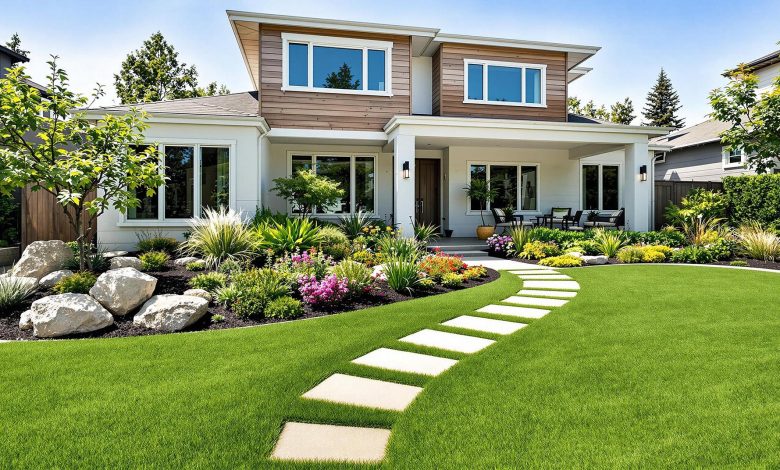
Pathways serve not only as functional routes through gardens but also as essential elements that guide attention and maximize the visual journey of visitors. Options for pathways vary widely, including natural stone, brick, poured concrete, and gravel, each providing unique aesthetic qualities and practical benefits. Strategically placed walkways lead to focal points such as seating areas, sculptures, or water features, encouraging exploration and enhancing the overall experience. The careful layout of these hardscaping features creates a sense of flow and cohesion, allowing visitors to engage with various elements of the garden. Additionally, integrating pavers with plantings can soften the hard surfaces, creating a more inviting atmosphere and customizability in the outdoor design scheme. Properly designed pathways ensure safety, encourage mobility, and contribute significantly to the landscape’s visual appeal.
Creating Atmosphere: Lighting and Accessories for a Complete Landscape
Outdoor landscaping shouldn’t cease to be impactful once the sun sets; strategically designed lighting and decorative accessories bring ambiance and depth to residential landscapes. These elements can elevate an ordinary space into a captivating retreat, inviting nighttime enjoyment of outdoor areas.
Illuminating Your Outdoors: The Impact of Landscape Lighting
Landscape lighting plays a pivotal role in extending the usability of outdoor spaces by creating a sense of safety and ambiance after dark. Thoughtful placement of lights not only illuminates pathways and steps but also highlights architectural features or landscape elements worth showcasing. Utilizing a combination of ambient, task, and accent lighting helps create a layered effect, illuminating different aspects of the landscape and shaping the atmosphere. LED lights have become a popular choice due to their energy efficiency and long lifespan, making them a sustainable option for outdoor lighting. Techniques like uplighting to accentuate trees and downlighting to create a soft wash effect over patios can transform ordinary areas into sensational ones, establishing environments conducive to relaxation and socializing post-sunset.
Garden Accessories: Sculptures, Water Features, and Fire Pits
Accessories are the finishing touches that make outdoor spaces unique and personal. Sculptures, including statues or artistic installations, introduce character and storytelling to landscapes, while water features, such as fountains or bird baths, add a tranquil element that attracts wildlife and contributes soothing sounds. Fire pits provide warmth and a gathering point for evening activities, creating an alluring focal point that encourages family connection and camaraderie. Garden accessories should reflect the homeowner’s personal style while enhancing the overall design. Each piece serves as an opportunity to express individuality, allowing for creativity in the landscape’s visual narrative. Well-placed accessories contribute to unexpected discovery and delight, turning a simple backyard into a memorable and immersive environment.
In conclusion, transforming an outdoor space through stunning landscaping is an intricate yet rewarding endeavor. By understanding the essence of landscaping, selecting the right plants, incorporating hardscaping, and enhancing the atmosphere with lighting and accessories, homeowners can create an environment that reflects their values and enhances their quality of life. As the popularity of residential landscaping grows, embracing sustainable practices and fostering connections to nature will ensure that these outdoor havens flourish for generations to come.
FAQ
Question: How can I start my landscaping project with a limited budget?
- Consider starting small with container gardens or focusing on DIY projects. Prioritize essential elements like soil preparation and plant selection to establish the foundation before investing in larger hardscaping features.
Question: What maintenance is required for a sustainable landscape?
- Sustainable landscapes often require regular watering, weeding, and mulching, especially in the early stages. Emphasizing native and drought-tolerant plants reduces ongoing maintenance needs and conserves water.
Question: How do I choose the right plants for shaded areas?
- Select shade-tolerant plants that thrive in low light conditions, such as hostas, ferns, and hellebores. Researching local plant varieties will help identify options that flourish in your specific environment.
Question: What role do pollinator gardens play in residential landscaping?
- Pollinator gardens support pollinators like bees and butterflies, enhancing biodiversity. By including native flowering plants, homeowners can foster healthy ecosystems while beautifying their outdoor spaces.
Question: Can I landscape my backyard without professional help?
- Yes, many homeowners can successfully landscape their backyards by researching design elements, making careful plant selections, and utilizing online resources. Start with a plan and gradually implement your ideas.
Question: What are the environmental benefits of xeriscaping?
- Xeriscaping reduces water consumption by selecting drought-tolerant plants and using techniques such as mulching and soil amendment. This practice conserves water resources and minimizes environmental impact.
Question: How do I incorporate children’s play areas into my landscaping?
- Designate a safe, flexible space for children to play, using soft ground cover or mulch to cushion falls, and consider integrating natural features like boulders or logs for climbing and exploration.
Question: What are some eco-friendly materials for hardscaping?
- Opt for permeable pavers, reclaimed materials, or sustainably sourced stone. These materials reduce runoff and environmental footprint while enhancing the overall aesthetic of your landscape design.