Maximizing Efficiency In Congested Cities With Intelligent Parking Systems
Key Takeaways
Revolutionary automatic parking systems are dramatically cutting down the need for human intervention. This optimized space usage is especially vital in congested urban areas where land is a luxury.
Automated systems can significantly reduce wasted space in parking structures by cleverly arranging vehicles, and getting rid of unnecessary drive lanes and walking areas.
Artificial Intelligence is playing an essential role in parking management. Through predictive analytics, it enhances efficiency and allocates parking spots in real-time based on demand.
Multi-level parking solutions are changing the urban landscape. They maximize space while ensuring easy access, often blending parking with retail or leisure activities.
Smart parking management systems leverage data to enhance the user experience. They offer mobile applications and real-time availability notifications to improve convenience and efficiency.
Eco-friendly parking solutions are using green technologies to promote sustainability. This not only encompasses energy-efficient practices but also draws in consumers who are environmentally conscious.
With modern consumers showing a preference for eco-friendly services, it’s crucial for parking facilities to adopt sustainable practices to stay appealing and competitive.
Revolutionary Automatic Parking Systems: A Game Changer for Urban Areas
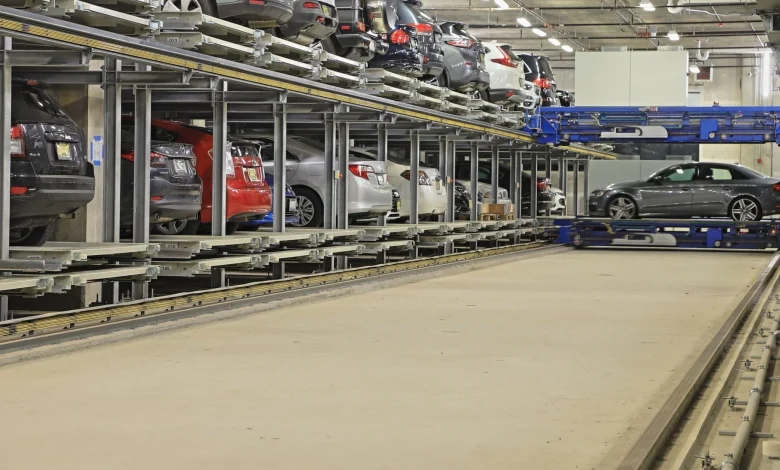
The urban landscape is shifting rapidly. As cities become more populated and land becomes increasingly scarce, revolutionary automatic parking systems are stepping up. These systems enable vehicles to park with minimal human interaction, which is a huge benefit in overcrowded urban settings where every square foot is precious. It’s not just about the tech; it’s about using space more efficiently than ever before.
How Automated Technology Increases Space Efficiency
A typical parking structure may waste as much as 30% of its space due to drive lanes and walking areas. However, with the integration of automated systems like automated guided vehicles (AGVs) and rotary parking solutions, the arrangement of vehicles becomes much more optimized. These mechanisms position cars closer together, making the most out of every available square inch.
Imagine a scenario where users no longer have to stress over finding a parking spot. Instead, they simply drop off their vehicles and let the system handle the rest. Thanks to this technology, cities are able to utilize multi-story structures with smaller footprints, further enhancing the available space.
The Role of AI in Managing Parking Capacity
Artificial Intelligence is the mastermind behind smarter parking solutions. These tools not only help automate the parking process but also effectively manage real-time parking availability. By employing predictive analytics, AI can anticipate peak times and adjust spot allocations accordingly. This intelligent approach boosts efficiency significantly, accommodating more users without straining facilities.
“AI is the backbone of modern parking solutions, turning ordinary facilities into dynamic, responsive environments.”
These innovations ensure that clients don’t just find a spot; they enjoy unprecedented efficiency in their parking experience.
Multi-Level Parking Solutions: Maximizing Space Without Compromising Access
Multi-level parking structures have become essential in urban planning. They allow cities to maximize parking space while still ensuring accessibility. These aren’t just your average parking lots; they redefine the urban parking experience. This trend goes beyond being merely vertical; it’s about smart designs that enhance usability.
Innovative Designs That Transform Traditional Parking
Today’s designs frequently integrate dual-purpose spaces, combining parking with retail or leisure facilities. Imagine a parking garage that also serves as a vibrant community space. This evolution enables cities to facilitate vehicle storage while enriching urban life. Aesthetic appeal often merges with functionality. Features such as green roofs and integrated public transport hubs respond to the growing concerns about the environment.
Examples of these innovative designs include:
- Stacked parking solutions
- Multi-functional facilities housing shops and restaurants
- Built-in charging stations for electric vehicles
With thoughtful innovation, multi-level parking solutions ensure that land is used efficiently while maintaining easy access for users.
Case Studies: Success Stories from Major Cities
Consider Los Angeles. Its adoption of multi-level parking structures has enabled the city to accommodate an influx of visitors without losing accessibility. Through careful planning and the introduction of high-rise parking facilities, urban sprawl towards the outskirts has been minimized.
Likewise, Singapore has been at the forefront of innovative parking technologies. Their vertical parking systems have transformed previously unused spaces into thriving environments, enabling sustainable urban growth.
“By rethinking traditional designs, cities aren’t just saving space; they’re shaping the future.”
These success stories illustrate how clients can leverage the advantages provided by well-designed multi-level systems.
Smart Parking Management: Merging Technology with User Experience
In an era where user experience is paramount, smart parking management solutions have emerged as critical. By automating the parking experience, these systems elevate convenience. This is where technology meets ease of use, ensuring users navigate parking without the usual headaches. Systems employing apps or mobile notifications are truly revolutionizing the experience.
Data-Driven Insights for Enhanced User Satisfaction
This isn’t just about making life easier; it’s about understanding user behavior and crafting tailored experiences. Smart management systems gather data to identify peak parking times, usage trends, and customer preferences. With this valuable information, facilities can offer targeted services or promotions, significantly boosting overall customer satisfaction.
Typically, smart parking systems provide:
- User-friendly mobile applications
- Dynamic pricing structures based on demand
- Custom notifications regarding available parking spots
It’s all about crafting an enriched experience, delivered at the touch of a button. Offering an easy booking and payment process positions facilities as user-centered. Clients demand efficiency, and smart systems rise to the occasion.
The Benefits of Real-Time Availability Notifications
Nobody enjoys waiting for a parking spot in busy areas. Thanks to real-time availability notifications, the user journey has been transformed, keeping drivers updated on open spots. This tech integration allows users to plan their trips more effectively, reducing the time they spend hunting for parking.
Just picture heading to a bustling shopping district knowing exactly where to go as a spot opens just for you. These systems can even provide estimated times for availability, empowering users to make smarter on-the-go decisions.
This, in turn, addresses environmental concerns by lessening the carbon footprint associated with endless circling traffic. Less driving time translates to lower emissions—good news for the planet.
Eco-Friendly Parking Solutions: Balancing Efficiency with Sustainability
As sustainability becomes a vital aspect of contemporary urban life, eco-friendly parking solutions are becoming increasingly important. Are parking facilities merely places to store vehicles? Not any longer. They’re reshaping what it means to be environmentally responsible in densely populated areas. From design concepts to operational practices, embracing sustainability is now essential.
Green Technologies in Parking Equipment
Many cutting-edge parking solutions are incorporating green technologies. This approach goes beyond simply adding solar panels or eco-friendly materials. It’s all about developing systems that actively promote sustainable practices. Features like energy-efficient lighting and smart waste management systems are crucial for creating eco-friendly infrastructures.
- Solar-powered lighting
- Charging stations for electric vehicles
- Permeable pavement for improved drainage
These technologies showcase a commitment to protecting the environment. By investing in sustainable parking solutions, cities can attract eco-conscious consumers and weave responsible practices into everyday facility management.
How Sustainable Practices Attract Modern Consumers
Today’s consumers are more aware of environmental issues than ever. They seek out brands and services that align with their values, including sustainability. Parking facilities that embrace eco-friendly practices not only improve their reputation but also attract a wider range of users.
Urban planners are quickly catching on. Today’s vehicle owners are looking for a seamless blend of functionality and responsibility. By providing intelligent parking solutions that genuinely care for the environment, facilities can greatly enhance their chances for success.
“Being green isn’t just a trend; it’s a necessity and an opportunity to innovate.”
Clients aiming to modernize their parking solutions should definitely consider these eco-friendly options. They not only elevate the user experience but also reaffirm a growing commitment to sustainability.
In conclusion, advancements in car parking equipment represent a significant transformation in urban planning and user demands. Each of these innovations plays a pivotal role in shaping the landscapes of contemporary cities. They tackle frequent challenges and elevate parking from a mundane task to a more seamless experience.
As cities continue to grow and progress, embracing these innovations will remain essential for effective space management and user satisfaction. Implementing the latest technology alongside sustainable practices ensures urban areas stay livable, functional, and optimistic about the future.
FAQ
What are the main advantages of automated parking systems over traditional parking methods?
Automated parking systems greatly reduce the need for human oversight, streamlining the parking process. They optimize space utilization by cutting down on wasted areas due to driving and walking lanes, making them far more efficient in bustling urban environments.
How do multi-level parking solutions positively impact urban environments?
Multi-level parking solutions effectively maximize land usage without compromising accessibility. By utilizing vertical space efficiently, these structures help urban planners lessen urban sprawl, fostering more livable environments while accommodating growing vehicle demands.
What role do mobile applications play in enhancing the parking experience?
Mobile applications act as the user’s portal to a hassle-free parking experience. They deliver real-time updates on space availability, dynamic pricing details, and facilitate smooth bookings, ultimately heightening user satisfaction and boosting engagement.
Can eco-friendly parking solutions lead to cost savings for cities and businesses?
Absolutely, eco-friendly parking solutions can produce noteworthy long-term savings. Energy-efficient technologies help cut operational costs, while appealing to an expanding group of environmentally conscious consumers, making these facilities increasingly economically viable over time.
In what ways does data-driven insight contribute to smarter parking management?
Data-driven insights enable parking facilities to gain a better understanding of user behavior, allowing for tailored services and promotional offers. This proactive approach effectively meets customer preferences, leading to higher satisfaction and increased usage rates.
What are some successful examples of cities implementing innovative parking solutions?
Los Angeles and Singapore have emerged as leaders in adopting cutting-edge parking technologies. Their multi-level parking systems have not only improved space management but also transformed surrounding environments into vibrant community areas that enhance urban experiences.
How can businesses ensure their parking facilities remain competitive in modern times?
To remain competitive, businesses should invest in technologies that enhance user experiences while promoting sustainability. Integrating smart systems and eco-friendly practices attracts consumers and positions parking facilities as forward-thinking and responsible venues.
What future trends can be expected in parking technology?
The future of parking technology is likely to delve deeper into artificial intelligence integration, expanded automation, and enhanced access to real-time data. Growth in infrastructure for electric vehicles and the development of smart cities will also significantly shape the next generation of parking systems.