Ensure Water Safety With Effective Chlorine Test Strips
Understanding the Science Behind Chlorine Testing
The Role of Chlorine in Water Treatment
Chlorine is a vital component of modern water treatment processes, acting as a powerful disinfectant that eliminates pathogens and harmful microorganisms from water supplies. Its use dates back to the early 20th century when it became recognized for its efficacy in preventing waterborne diseases such as cholera and typhoid fever. Chlorine works by penetrating the cell walls of bacteria and viruses, effectively disrupting their metabolic processes and leading to their destruction. In addition to its disinfectant properties, chlorine also modulates the formation of biofilms, thus ensuring that water systems remain clear and safe for consumption.
However, the effectiveness of chlorine is closely tied to its concentration levels within the water, which can be influenced by various factors including pH, temperature, and the presence of organic matter. Understanding how chlorine interacts within different water qualities is essential for both municipal treatment facilities and individual households. Thus, regular testing with reliable chlorine test strips is critical in maintaining safe drinking water, ensuring that chlorine levels are neither too low (which could result in insufficient disinfection) nor too high (which could lead to harmful byproducts, including chloramines or trihalomethanes that pose health risks).
How Chlorine Test Strips Work: A Dive into Chemistry
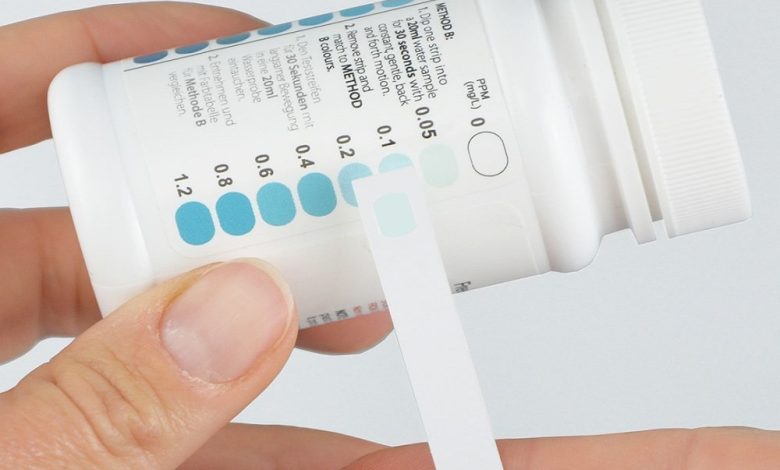
Chlorine test strips operate based on a straightforward yet ingenious chemical principle. These strips are coated with a dye that changes color in the presence of free chlorine in water. Most commonly, they measure the concentration of both free chlorine (the active sanitary agent) and total chlorine (which includes both free and combined chlorine). When a test strip is submerged in a water sample, the chlorine present interacts with the chemicals on the strip, triggering a color change that corresponds to specific chlorine levels.
The chemistry behind these test strips usually involves redox reactions, where chlorine oxidizes the dye on the strip, resulting in a visible outcome. The resulting color is then compared against a reference chart provided by the manufacturer, allowing users to gauge the chlorine concentration quickly. This makes chlorine test strips handy, especially for homeowners, pool operators, and aquarists who need immediate results without the need for expensive laboratory testing. Moreover, they are designed for user-friendly handling, enabling anyone to conduct tests effortlessly yet accurately, making them essential tools for anyone invested in water quality management.
The Importance of Accurate Testing: What Could Go Wrong?
The repercussions of inaccurate chlorine testing can be dire. If water supplies are inadequately chlorinated, there exists a heightened risk of waterborne pathogens proliferating, potentially leading to outbreaks of illness and epidemic crises. Conversely, excessive chlorine levels can produce toxic by-products that may pose long-term health risks, including respiratory issues and skin irritations. In case of aquatic environments, high chlorine levels can damage fish and other aquatic organisms, disrupting ecosystems and biodiversity.
Accurate testing hinges on several factors, including correct storage of test strips, adherence to manufacturer instructions, and timely testing intervals. Misreading test results due to poor lighting or improper strip comparison can lead to erroneous conclusions, cascading into larger public health or environmental problems. Therefore, regular and precise monitoring through chlorine test strips is crucial. Developing an understanding of how various factors can influence chlorine levels will empower users to take responsible actions towards maintaining their water safety.
Navigating the World of Chlorine Test Strips
Types of Chlorine Test Strips: Finding Your Perfect Fit
As the market for chlorine test strips has evolved, so has the variety available to users. Understanding the distinctions among them can help consumers select the most appropriate products for their needs. Key types of chlorine test strips include those designed for free chlorine, total chlorine, and pH levels. Free chlorine test strips provide insights into the sanitizing agent available for disinfection, while total chlorine strips account for both active and inactive forms. pH test strips are beneficial when it comes to understanding the chemical environment in which chlorine operates, as the efficiency of chlorine disinfection often depends on optimal pH levels.
In addition, certain strips are tailored for specific applications, with offerings for pool water, drinking water, and aquaculture. Each application has unique requirements. For instance, swimmers require balanced pool water that not only protects their health but also ensures equipment longevity, whereas aquaculture environments need precise control over chemical exposures to preserve aquatic life. Thus, individuals should assess their specific contexts and functionalities when choosing test strips, optimizing both performance and reliability in their water testing endeavors.
Comparing Test Methods: Strips vs. Liquid Tests
When it comes to water testing methods, the choice between test strips and liquid testing kits stirs considerable debate. Test strips have garnered popularity due to their convenience and ease of use, providing rapid results with minimal preparation. They are portable, require no additional equipment, and offer instant visual feedback. Liquid tests, however, often deliver greater precision and can analyze a wider range of water parameters, allowing users to conduct thorough assessments of their water quality standards.
While strips can yield quick results for a general assessment, liquid tests may provide more accurate measurements, especially in complex water systems. Moreover, liquid tests can reveal additional compounds and contaminants beyond just chlorine levels, thus providing an extensive overview of water safety. The trade-off lies in convenience versus accuracy. Users should weigh their testing objectives, knowledge requirements, and comfort with chemical handling to determine which method aligns with their water safety goals.
User Reviews: What the Experts Say About Popular Brands
Expert reviews and user testimonials play a significant role in the selection of chlorine test strips. Some of the top brands in the market include the AquaChek series, LaMotte, and Hach, each offering different features tailored to specific user needs. AquaChek is often lauded for its user-friendly design, providing clear color charts and robust accuracy for pool owners. In contrast, LaMotte is recognized for its high-precision testing and more complex analysis capabilities, making it ideal for serious aquatic professionals or laboratory environments.
Hach stands out for offering multi-parameter testing kits that include chlorine along with other essential factors like alkalinity and hardness, appealing to users who want comprehensive water quality monitoring. Analyzing customer reviews reveals that many users praise the straightforward instructions and visible color changes of prominent brands, ensuring they can attain dependable results without extensive training. However, they also express concerns over price points, highlighting a desire for cost-effective yet reliable solutions. Ultimately, selecting the right brand requires diligence and consideration of both expert feedback and individual needs.
Maximizing Your Water Safety: Best Practices for Testing
When and How Often Should You Test Your Water?
Determining the frequency of water testing depends largely on the water source and individual circumstances. For private well owners and pool operators, testing should occur weekly or bi-weekly, particularly during peak usage seasons. Municipal water supplies, subject to regular monitoring by water authorities, should still be tested at least quarterly to account for seasonal changes and fluctuations that may impact water quality.
For those engaging in aquaculture or hydroponic farming, water testing becomes even more crucial, with recommendations for daily testing in some instances. Environmental factors and load will contribute to how often testing should be performed. Utilizing well-maintained records of chlorine levels over time can also help users identify patterns, thereby informing any necessary adjustments while maximizing water safety protocols.
Common Mistakes to Avoid with Chlorine Testing
Despite the user-friendly design of chlorine test strips, mistakes can undermine their effectiveness. One common error involves failing to interpret results promptly after dipping the strip; as the reaction may occur within a limited time frame, waiting too long may yield inaccurate readings. Other pitfalls include testing water immediately after adding chlorine rather than allowing it to circulate properly, which could lead to misleading results. Additionally, improper strip storage, such as exposing them to high humidity or light, can render strips unreliable and compromises accuracy.
Users should ensure that the test strips are not expired and always follow manufacturer instructions closely regarding test methodologies. Consistently calibrating expectations based on how specific results correlate with health standards will also enhance testing efficacy. By understanding these potential errors and employing a rigorous, consistent testing regimen, users will position themselves for successful water quality management.
Interpreting Results: Decoding Your Test Strip Readings
Interpreting chlorine test readings requires careful attention and understanding of the color-coded scales that accompany most test strips. Generally, after dipping the strip, users compare the resulting color with the reference chart to determine the chlorine concentration. Each test strip may have its own nuances and a specific gravity at which it operates optimally, so understanding manufacturer guidelines is fundamental.
If results indicate low chlorine levels, users can take corrective measures, such as adding more chlorine, while results showing alarmingly high levels should be a cue for immediate dilution or remediation efforts. Failure to interpret results accurately can lead to feelings of security when water is unsafe, or unnecessary pesticide applications due to panic levels reading incorrectly low. To enhance comprehension, it can be helpful to document readings over time, track variations, and correlate them with environmental factors, creating a clearer picture of water safety.
Beyond Chlorine: Enhancing Your Water Quality Journey
Complementary Water Tests to Consider
A comprehensive approach to water safety encompasses more than just chlorine testing. Other essential water quality tests involve assessing pH, hardness, and the presence of heavy metals, nitrates, or microbial contaminants. Conducting a multi-parameter test allows for a holistic understanding of water quality and safety, especially in diverse environments. Many users opt for comprehensive testing kits that bundle multiple testing capabilities, offering valuable insights all at once without requiring multiple testing events.
Complementary tests such as those for total dissolved solids (TDS) and turbidity should also be incorporated, as these factors assess aspects directly affecting potability and taste. Regularly engaging with diverse water quality metrics not only enhances safety measures but also aids in making informed decisions about necessary treatments and interventions. Use of multiple testing regimes should become standard protocol to fortify water safety strategies.
Eco-Friendly Alternatives to Chlorine: Exploring Other Options
While chlorine remains a widely utilized water disinfectant, its impact can prompt exploration of eco-friendly alternatives. Emerging technologies include ultraviolet (UV) light systems that inactivate bacteria without chemical additives, providing a sustainable disinfecting solution. Ozone and hydrogen peroxide are also gaining traction as effective sanitizers that can reduce chemical by-products associated with chlorine use.
Furthermore, biodegradable or plant-derived products, such as peracetic acid, serve as environmentally friendly alternatives in both agricultural and industrial applications. Users interested in remodeling water treatment processes should assess these alternatives based on effectiveness, maintenance requirements, and cost-effectiveness. Ultimately, the transition to sustainable water treatment methods can produce long-term health benefits both for consumers and the environment.
Maintaining Your Water System: Tips for Long-Lasting Safety
The foundation of water safety lies not only in testing but also in proactive maintenance of water systems. Regular inspections of pipes and fixtures can prevent leaks and loss of water quality. Filtration systems should be maintained and replaced as necessary, ensuring that they function optimally. Moreover, users should be vigilant against potential sources of contamination, such as improper storage of chemicals and avoiding cross-contamination in household water sources.
Seasonal maintenance routines, particularly for outdoor systems like swimming pools, should be a priority as environmental changes can shift chemical balances significantly. Educating oneself about the specific demands of water systems, particularly in varying regions and seasons, equips users to sustain long-lasting safety through judicious management. Engaging with professionals for system evaluations and advancing water treatment strategies can significantly enhance safety protocols.
FAQ
Question: How do I choose the right chlorine test strip for my needs? – Selecting the appropriate chlorine test strip depends on your specific application, be it pool water, drinking water, or aquaculture. Ensure to evaluate each strip’s compatibility with your unique requirements to optimize performance.
Question: Can I use chlorine test strips for any type of water? – Chlorine test strips are designed for specific types of water; therefore, using them for various applications may yield inaccurate results. Always choose strips tailored for the water type you are testing, whether it’s for pools, drinking water, or fish tanks.
Question: How should I store chlorine test strips for optimal performance? – To maintain their effectiveness, store chlorine test strips in a cool, dry place, away from direct sunlight and moisture. Also, ensure that they remain sealed in their original packaging until needed for testing.
Question: What should I do if my chlorine test strips show inconsistent results? – Inconsistent results may indicate issues such as expired strips, improper storage, or incorrect testing methods. Follow the manufacturer’s guidelines, and if issues persist, consider switching to a different brand or testing method.
Question: Are there any environmental concerns associated with using chlorine in water treatment? – Yes, excessive chlorine can lead to harmful byproducts that pose health risks and negatively impact aquatic ecosystems. Exploring eco-friendly alternatives, such as UV systems, may mitigate these concerns.
Question: How often should I test the chlorine levels if I have a private well? – If you have a private well, testing chlorine levels should be done regularly, ideally on a weekly or bi-weekly basis, especially during periods of high water usage or following heavy rainfall.
Question: What are the symptoms of over-chlorinated water? – Over-chlorinated water may lead to symptoms such as skin rashes, respiratory issues, and eye irritation. Consistent testing is vital to prevent these health risks.
Question: Can I use chlorine test strips in saltwater pools? – Typically, chlorine test strips designed for freshwater pools may not provide accurate readings in saltwater pools. Look for test strips specifically formulated to measure chlorine levels in saltwater environments for reliable results.
Useful Resources
- S. Environmental Protection Agency (EPA)
- Centers for Disease Control and Prevention (CDC)
- World Health Organization (WHO)
- Water Quality Portal
- NSF International
- CDC Healthy Water
- Pool & Spa Association
- Water Quality Association (WQA)