Why Textured Wood Paneling Is The Design Trend Your Home Needs Right Now
Understanding the Allure of Textured Wood Paneling
The History and Evolution of Wood Paneling
Wood paneling dates back to the Renaissance era when it was used by the wealthy to create lavish interiors. Initially, it served a practical purpose: insulating rooms, reducing noise, and protecting walls from the harshness of the elements. The craftsmanship involved in creating these panels was exquisite, often involving intricate carvings that showcased both artistry and status. Over the centuries, wood paneling evolved from simple flat boards to highly detailed textured surfaces that added depth and character to a room. In the early 20th century, with the rise of industrialization, wood paneling became more accessible and affordable, leading to its widespread adoption in homes across different styles. Today, it represents a runtime of heritage and a trend toward authenticity in design; each piece tells a story of craftsmanship while connecting us with nature’s beauty in our interiors.
Why Textured Wood is the Next Big Trend in Interior Design
The recent resurgence of textured wood paneling is not just a fleeting trend but a movement towards creating homes that reflect our desire for warmth, comfort, and authenticity. As we spend more time indoors due to lifestyle changes, there is a growing demand for designs that foster a sense of well-being. Textured wood provides a sensory experience, inviting touch and sight into harmony. Moreover, with the global shift towards sustainable living, homeowners are gravitating towards natural materials. Textured wood brings the beauty of nature into our spaces without compromising on sustainability. This trend is also supported by advancements in technology that allow us to recreate the beauty of wood while offering improved durability and adaptability, making it a smart investment for long-term homeowners. Whether it’s a cozy cabin aesthetic or urban chic, textured wood brings a unique character that stands out.
Diving into Different Wood Species and Their Unique Textures
The variety of wood species available offers a sprawling palette of textures, grains, and colors suitable for any design vision. From the striking dark hues of walnut with its deep, rich grain pattern to the light, airy look of ash that’s gaining popularity in modern designs, each wood species brings something special to the table. Oak, known for its strength and classic appeal, has a more pronounced grain that brings depth to the space. Cedar, on the other hand, introduces a fragrant component with its warmth and natural resistance to decay, often used in spaces where moisture is a concern. Birch offers a smooth, subtle appearance with a tight grain, making it perfect for contemporary settings. In contrast, reclaimed wood, rich with history, delivers a tactile experience with its wear marks and unique imperfections, adding an eco-conscious touch to any interior. Delving into these choices allows homeowners and designers to customize spaces that resonate with individual tastes, contributing to a personalized sanctuary.
Choosing the Right Style: Finding Your Perfect Fit
Rustic Charm vs. Contemporary Cool: Which Look Speaks to You?
When it comes to selecting the appropriate style for textured wood paneling, personal preferences are paramount. Rustic charm brings the essence of the great outdoors into your home, featuring warmer tones, natural finishes, and organic shapes that create a cozy atmosphere. Think of cabins in the woods with reclaimed barn wood walls or knotted pine beams—each piece bursting with character and a story. Sectioned-off spaces using textured paneling can anchor a room, creating inviting nooks that beckon for relaxation.
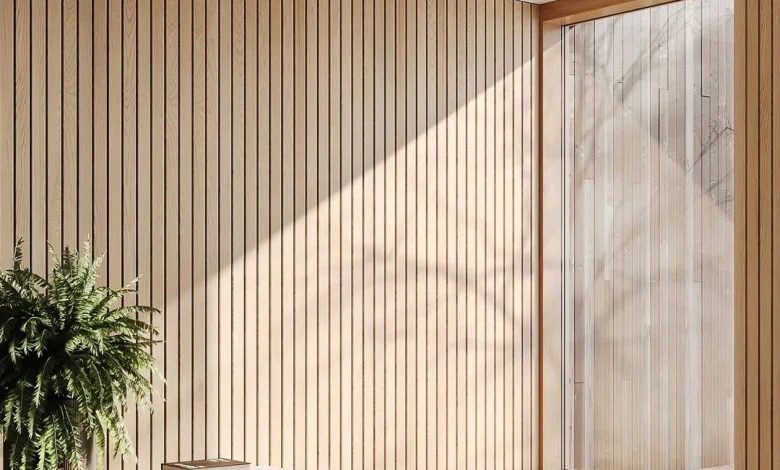
On the flip side, contemporary aesthetics lean towards minimalism, often favoring sleek lines and a monochromatic palette. Textured wood can play a pivotal role in this style narrative, offering depth and visual interest without overwhelming simplicity. Imagine smooth, light wood panels with clean-cut edges used in a way that emphasizes spaciousness and light. Reinforcing these elements can evoke feelings of tranquility while also showcasing a modern touch. Ultimately, the choice between rustic and contemporary comes down to lifestyle, desired atmosphere, and the overall narrative you wish to create in your interior space.
Bold Patterns and Subtle Grains: Understanding Texture Variations
When integrating textured wood paneling into your décor, understanding the spectrum of textures available is crucial. Bold patterns such as deep grooves, raised designs, or cross-hatch configurations can turn a feature wall into the focal point of a room. These options are perfect for spaces that require a statement, such as dining areas or entertainment rooms. Pairing these patterns with neutral furnishings allows the wood to shine, creating a harmonious contrast.
Conversely, subtle grains are ideal for a more understated elegance. Slight variations in texture can add dimension without distracting from other design elements. This approach works well in bedrooms or home offices, where a serene ambience is paramount. The balance of texture and visual continuity will ultimately contribute to the overall feel of the space. Understanding the context of where each wood variation is best utilized further amplifies the potential to create personalized and aesthetically powerful spaces.
Color Considerations: How Stain and Finish Affect Aesthetics
The transformation of textured wood paneling doesn’t stop at the grain; the choice of color through staining and finishing adds layers of personality to each piece. Natural finishes highlight the wood’s innate beauty, allowing the grain and unique imperfections to take center stage while maintaining an organic feel. Clear varnishes provide protection without altering the wood’s appearance, keeping the relationship to nature intact.
On the other hand, colored stains offer a paradigm shift, letting homeowners infuse personality into their spaces. Deep mahogany, soft gray, or even bold hues like navy can dramatically change the perception of a room. Understanding how finishes interact with light is key, as darker stains can create an intimate feel while lighter shades can open up and brighten a space. The choice of finish should align not just with the wood’s characteristics but also with the desired mood and functionality of the room, ensuring that it not only looks stunning but also serves its purpose effectively.
Installation Insights: Transforming Your Space Step by Step
Preparing Your Wall: The Essentials of Surface Selection
The first step to achieving flawless textured wood paneling installation is preparing the wall. Assessing the condition of your existing wall surface is paramount; it should be clean, dry, and level. If you’re working with existing drywall, it may be necessary to patch any holes or irregularities to create a stable foundation for your paneling. In spaces prone to moisture, such as basements or bathrooms, using moisture-resistant materials is crucial to prevent warping or deterioration over time. Additionally, checking for electrical wiring or plumbing within the walls is essential for safe installation. This preparatory phase not only enhances durability but also sets the tone for a successful transformation, ensuring your paneling adheres seamlessly and integrates perfectly into your space.
DIY vs. Professional Installation: Weighing Your Options
Choosing between a DIY installation or hiring a professional can significantly affect the outcome of your wood paneling project. A DIY approach can be rewarding, allowing you to customize every detail of your design. If you possess basic carpentry skills and the necessary tools, tackling the installation yourself can also be a budget-friendly option. Among the benefits of DIY include personalizing the design to your specific vision and gaining invaluable skills throughout the process.
However, it’s essential to consider the potential hurdles: measurement accuracy, tool usage proficiency, and design execution, all of which can influence the final look. Instead of risking a potential mishap, enlisting the help of a professional installer mitigates these risks. Professionals have experience handling various materials, ensuring the best techniques are utilized for a clean finish. Weighing these options should take into account the complexity of the design you desire, your own competence and confidence, and your time constraints, guiding you toward a well-informed decision.
Tools and Techniques for a Flawless Finish
The right tools and techniques are crucial for ensuring that your textured wood paneling is not only visually appealing but also installed correctly. Essential tools include a level, measuring tape, miter saw, and nail gun, as well as protective gear such as goggles and a dust mask. Techniques range from understanding the initial layout—deciding whether to start from the top or bottom, and how to stagger the seams for a more cohesive look to ensuring that all pieces are cut properly to fit around fixtures and corners. Techniques involving adhesive application alongside nails can provide the needed strength and longevity. It’s also essential to account for acclimation of the wood – allowing it to rest in the room where it’ll be installed to adapt to temperature and humidity. These steps not only guarantee a flawless finish but also reinforce the installation’s durability, ensuring that the beauty of textured wood paneling endures.
Caring for Your Textured Wood Paneling: Maintenance Tips & Tricks
Daily Care: Simple Practices to Enhance Longevity
Maintaining textured wood paneling doesn’t have to be an overwhelming task; simple daily care can extend its life and preserve its visual appeal. A regular dusting routine is instrumental in preventing dust accumulation in the grooves and intricate designs that can dull the wood’s finish over time. Using a soft cloth or microfiber duster is ideal, as it effectively clears dust without scratching the surface. For deeper cleaning, a damp cloth can be used, ensuring not to soak the wood, which can lead to moisture damage. Additionally, using coasters under furniture items and ensuring pets don’t scratch against the paneling are small habits that can significantly prevent wear and tear. Ultimately, a diligent but straightforward daily routine can keep your textured wood paneling looking vibrant and welcoming for years on end.
Dealing with Wear and Tear: Repairs Made Easy
Even with careful maintenance, wear and tear are inevitable, especially in high-traffic areas. Identifying the type of damage helps in managing it effectively. Scratches and scuffs can usually be remedied with a wood stain touch-up marker, allowing for quick fixes that blend seamlessly with the surrounding area. For deeper dents, filling them with wood filler and selecting a matching stain ensures a more comprehensive repair. For significant water damage or warping, replacing the affected panel may be necessary. Keeping spare panels on hand from your original installation can alleviate the stress of sourcing matching materials later. When in doubt, consulting with a professional can provide additional insights into the most effective repair strategies based on the type and extent of damage.
Seasonal Cleanings: Keeping Your Panels Pristine Year-Round
Seasonal maintenance is pivotal for ensuring the longevity and beauty of your textured wood paneling. In addition to regular cleaning, comprehensive check-ups during seasonal changes can highlight areas requiring attention, such as signs of moisture damage or fading due to sunlight exposure. For instance, applying a fresh coat of sealant may be necessary if wood becomes susceptible due to environmental shifts. Furthermore, during spring cleaning sessions, taking the time to deep clean your walls—including moving furniture and ensuring that each panel is cleaned—can dramatically uplift the ambiance of your space. Embracing seasonal practices not only protects the investment but also enhances the aesthetic pleasure they bring year-round, making textured wood paneling a worthwhile addition to any home.
FAQ
Question: What are the benefits of using reclaimed wood for paneling? – Reclaimed wood adds character and history to a space, introduces unique imperfections, and is an eco-friendly choice that promotes sustainability by repurposing existing materials.
Question: Can textured wood paneling be installed in bathrooms? – Yes, but it is essential to use moisture-resistant wood or finishes to prevent warping and deterioration in high-humidity environments like bathrooms.
Question: What color stain can best highlight the grain of lighter woods? – Lighter woods often pair well with natural, clear finishes or light stains like soft gray, which enhance the wood’s grain without obscuring its natural beauty.
Question: How can textured wood paneling contribute to sound insulation? – The density and thickness of wood paneling can help absorb sound, leading to reduced noise levels, making it a good choice for home theaters or music rooms.
Question: What tools are best suited for cutting wood paneling? – A miter saw is ideal for making precise cuts, while a jigsaw can assist in intricate shapes, ensuring that panels fit snugly around fixtures and corners.
Question: Is it advisable to paint over textured wood paneling? – While it is possible to paint over textured wood, it’s important to use a high-quality primer and paint designed for wood surfaces to ensure good adhesion and durability.
Question: How often should I apply sealant or finish to wood paneling? – The frequency depends on environmental factors, but it is generally advisable to reapply sealant every 1-3 years or when you notice signs of wear such as dullness or fading.
Question: Are there specific cleaning products recommended for maintaining textured wood paneling? – It’s best to use mild, non-abrasive cleaners or simply warm water with a gentle cloth, as harsh chemicals can damage the finish and texture of the wood.
Useful Resources
- Wood Magazine – A resource for woodworking techniques, tips, and project ideas.
- Woodworker’s Source – Offers a variety of information on different wood species and their uses.
- com – A comprehensive guide to home improvement projects, including wood installation.
- Houzz – Provides design inspiration and ideas for incorporating wood paneling into your home.
- Lowe’s – A home improvement store with resources and tips for woodworking and paneling projects.
- HomeAdvisor – Connects homeowners with professionals for home improvement projects, including wood paneling.
- North American Forest Products Association – A source for education on sustainable wood products and materials.
- Fine Woodworking – Offers articles and videos on woodworking techniques and designs.